
by admin | Jul 8, 2021 | Blog, Natural Color
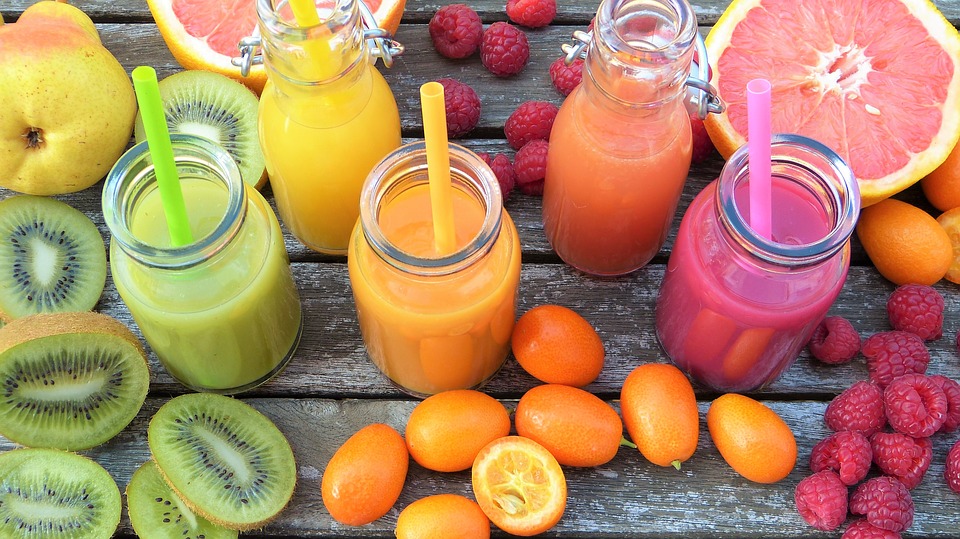
Pigment in fruit & vegetables is perfect for us, and the best way to ensure you are eating enough of each is to eat a variety of different coloured fruits & vegetables. Try to eat at least one serving of fruit or vegetable from each colour band every day. The more you add these natural pigments in daily life routine, The better your health.
| Red | Yellow | Green | Purple | Blue |
| Radish red colour | Gardenia yellow | Chlorophyll | Grape skin red colour | Gardenia Blue |
| Perilla red colour | Carthamus yellow colour | Sodium Copper chlorophyll | Purple sweet potato | Spirulina Blue |
| Monascus red colour | Curcumin | | Cabbage red colour | |
| Rosmarinic | Carthamus red colour | | Beetroot red colour | |
| Red capsicum Colour | | | Purple carrot colour | |
| Sorghum red colour | | | Purple Corn Red Colour | |
| | | | |
Dyes In Voilet
Sweet Potato Red Color ( E163)
- These violet Sweet potatoes are purifying from the rhizome of sweet potato. This pigment shows a reversible change in the molecule’s structure as a pH change from acidic to basic.
Advantages
- These pigments are easy water-soluble pigment
- Stabilize best light and heat under the PH2
- Promotes the health of the Gut
- Suitable for curing asthma symptoms
Uses
- Energy drinks
- Juices
- Yogurt
- On salad dressing
- Flavours
- Spirit
Purple Corn red colour
Purple Corn red colour
- It requires a broad range to function of the manufacturing
- pH must be 2-6
Flavour
Like Sweet corn
Uses
- Soft drinks
- Baked snacks
- Cereals protein
Grape Skin Red Colour
Grape Skin Red Color
- They are types of polyphenol that we get through grapes skin which have anthocyanins.
Advantages
- water-soluble
- Contains anthocyanins
- Strong Absorb Light b/w 460-550nm
Uses
- Beverages and water ice
- Fruit Preps
- Jams & Jellies
- Works with other products that have low PH
- At High Ph levels, hue shifts to bluish violet & blue
- On Below 3.5 PH level red is viloetre
Cabbage red colour
Cabbage red colour
- Its water-soluble pigment which is an anthocyanin that changes its colour when it is mix with the acid or base
- Dye turn red when pH is <7
- It turns bluish-green when pH is >7
Advantages
- Reduces Heart disease
- It helps promote healthy bones
- Best for the digestive system
Uses
- Energy drinks, flavours
- Soy drinks
- Spirits and Juice drinks
- Fruit preparations & breakfast cereal
- Dry mixes
Beetroot red colour
Beetroot red colour (E162) CAS: 7659-95-2
- Betanin is glycosidic food colour that we get from the beets by breaking down a molecule of the glucose
- It food colour additive
Advantages
- Best for hypertension & heart health
- Improves oxygen levels in the brain
- Decrease glucose level, which is good for diabetes
- Bright red colourant
Uses
- It is in the liquid & powder form, which we can use various products to colour
- Use in frozen & low moisture products like yogurt, flavour milk dry desserts
Purple carrot colour
Purple Carrot red colour ( E330)
- This pigment found in watermelon & tomatoes and having powerful antioxidants properties
Benefits
- Improves Heart health
- Reduce inflammation
Taste
It tastes like subtle peppery
Red capsicum colour
Red capsicum colour
Colour
Component
- Capsanthin, capsorubin and cryptocapsin
Uses
- It is use in instant noodles, meat salad etc
Perilla red colour
Perilla red colour
- Its like natural pigment, comes from fresh leaves of perilla
- 2-6 pH can influence its stability & influence
Colour
- Deep red liquid
- On pH level 7.0 colour is blue
- pH >7.0 colour us like unstable green
Component
Uses
- Colouring the wine, acid & juice drinks
- Jam & Candy
Radish Red colour
Radish red colour (Color Value: E10~90)
- It’s a natural pigment extracted from a red core that is concentrate, washed, digested, chopped. Its good for controlling blood pressure
Component
Advantages
- Detoxify liver
- Improves blood flow
- It helps against diseases
Uses
- Beverages
- Ice creams, fruit milk
- Pastry & candy
- Cosmetics
Rosmarinic Acid
Rosmarinic Acid (CN105315706B)
- It is also a water-soluble pigment & that we can mix with anthocyanin pigments.
Uses
- Beverages, cosmetics & pharmaceutical
- To stabilize anthocyanin pigments
- Juices & wines
Monascus red colour
Monascus red colour
It’s a natural pigment that used for blood production & cholesterol-lowering
Advantages
- Best for diabetes
- Cholesterol
- Heart diseases
- Prevent Cancer
Uses
Sorghum red colour
Sorghum red colour
- It’s gluten-free best for people who suffer from gluten intolerance. It’s used in livestock & and to grow enthanol plants
Colour
Uses
- Beverages
- Syrups
- Animal fodder
Yellow Category
Gardenia yellow
Gardenia yellow ( specs ‘’ 1%, 1cm) =60-500
- This pigment has strong alkali & acid-resistant. Its water-soluble & its pH is 3-10. Its revivification and resistance of microbe are excellent
Colour
Yellowish hue
Uses
- Flour product
- Cakes, Jam, jelly, candies, chestnut
- Chocolate, yellow rice, cotton cloth
- Chinese Herb etc.
Carthamus yellow colour
Carthamus yellow colour (E 100/21 CAS78281-02-4)
- It attains from the extraction of the corolla ( petals). It is water-soluble. It consists of sugar & salt & protein.
Colour
Benefits
- Lower cholesterol levels
- Lower the high blood pressure
- Prevents Stroke
Curcumin
Curcumin
- It’s turmeric which we make by grinding the rhizomes
Component
- Demethoxycurcumin & bidemethoxycurcumin
Uses
- Flavours, Salad dressing
- Sauces, Soups
- Cereal, Fats oil, etc.
Carthamus red colour
Carthamus red colour (36338-96-2)
- It is a natural pigment from safflower. In the past, called by the name of Cathamine. Soluble in water, ethanol & ether
Components
Uses
- Ice cream
- Dairy products
- Sugarcoating
- Noodles & Japanese sweet
- Tableted products, etc.
Green Category
Gardenia Blue
- It’s a water-soluble pigment that
uses in food, cosmetics and pharmaceuticals. Good in heat, light resistance and
its colour is stable.
Application
- Colouring popsicle
- Ice cream, fruit wine
- Cocoa product, coating for tablets
etc
- It’s a natural pigment rich in vitamins which helps to protect cells from damage
- Component is Phycocyanin
Colour
Application
- Smoothie
- Baked items
- Noodles, etc.
by admin | Jul 2, 2021 | Blog
Yogurt, which contains phycocyanin, has multiple health benefits. Phycocyanin is a pigment protein having a light blue colour is a natural food colourant that may have a proscriptive effect on yogurt cultures because of having anti-bacterial properties. Everyone likes to have yogurt, but it looks like a pure sky blue colour when mixed with the protein pigment.
Not only about the colour, but It is very beneficial when combined with yogurt as it decreases dehydration, shrinkage & increases colour stability, hardness & bacterium free growth.
It also contains eight types of amino acids that are essential for the human body, which helps to boost metabolism & helps to stop the growth of cancer cells.
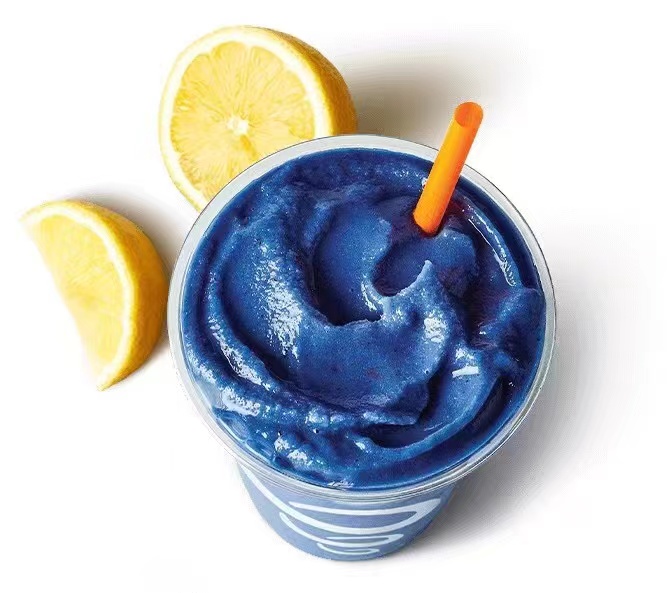
The use of the protein pigment complex is effortless; all you need to do is mix it with the bowl of yogurt. This protein pigment is also use in juices, smoothies, oatmeal & energy bars. Use in any form you like.
Mixing with yogurt
When you mix this natural food colourant with yogurt, it has higher protein, fat & dietary fibre. According to research, this food colourant has antioxidant, anti-inflammation, pain relief & protecting brain properties. . It does detoxificiation boost the immune system and also improves the sinus. Phycocyanin has a fishy smell, and some people dislikes it for that, but when you mix it with yogurt or smoothie, the scents fade away. It is widely used, and it can dissolve in water 100% without any particles in the water as this pigment protein is a high-quality plant protein that the body can easily absorb.
However, the natural pigment-protein issue is poor stability when it comes to beverage pigment temperature should be considered dominant in cold drinks.
Avoid direct intense light exposure like the sun; otherwise, the colour will become lighter with time. This superfood is one of the most nutrient-rich food. It is available in powder form. But you also can buy in tablet form. It is your choice what you would try, but both pigments are effective.
Contamination Risk
You have to keep in mind that this food pigment is algae, so the risk of contamination does exist, but you can refrain from contamination by buying this high-quality pigment from authentic & reputable companies to avoid contamination problems.
Buy this pigment from un authentic store may result in various pigment issues & its bad effects so its better to buy from the best food store.
Buying Protein Pigment Complex
Phycocyanin Can be easily purchased from most health food stores & Market, but before buying this, make sure that its organic, which have no additives & is well-sourced.
Making this amazing drink is very simple all you need is yogurt and a blender. You can also put various food according to your need. Put the powder in the yogurt
and mix it well. leave it for 2 minutes ,and you are ready to drink it.
Contamination does also exist, so buy it from the best store you can buy to avoid any kind of problem.
For More Information Visit click here http://santacolor.com/2021/05/22/synthetic-food-colors-vs-natural-food-colors/
by admin | May 22, 2021 | Blog
Did you know that natural food
colors were discovered and used eons ago? On the other hand, synthetic food
colors were discovered during the industrial evolution period (well known by
history enthusiasts per say.)
For several years, synthetic
food colors were preferred because of several reasons. Users preferred synthetic
food colors because:
- They were easy to use (most synthetic food colors have leaflets that instruct users on how to use them.)
- According to Prepared Foods, synthetic food colors deliver bright hues in a variety of foods and baked products
- They do not require preparation by users since they can readily be acquired at your nearest grocery store or food market.
Some people prefer Synthetic to Natural food colors because
Natural food colors are often expensive in terms of cost-per-use, compared to synthetic colors.
For example, in order for you to obtain at least 500ml of natural food color from beets, you would need to purchase and prepare up to 15 beets.
Fun fact: 1 beet yields
up to two and a half table spoons (40ml) of beet juice.
This other factor is often
experienced by chefs particularly those that prepare baked goods. It is
difficult to obtain a particular shade from natural food colors.
For example, until recently, food color enthusiasts didn’t have a way of obtaining specific shades of blue. They often used synthetic food colors.
However, after the discovery of gardenia blue colorant, it became quite possible to obtain different shades of blue. Their application became widely used in beverages, jams and confectioneries too.
One of the most overlooked
reasons is stability and shelf life. Here’s an example, beet red color delivers
one of the most appealing red hues and very much pH stable. However, when applied
to water-based foods and subjected to too much heat, it rapidly degrades and
color degradation may be observed.
Also, natural food colors may “go
bad” especially when preserved wrongly. This should also be a serious concern
for natural food color enthusiasts.
Natural Food colors are quite as important and cannot be underestimated
Food colors can be deemed natural if they are generally vegetal, microbiological, animal or mineral extracted. This basically means that they are strongly packed with minerals, and vitamins essential for human health.
A 2009 study by the European Food Safety Authority (EFSA) prompted the reduction of ADI (acceptable daily intake) of synthetic food colors due to their long-term effects after consumption. This later triggered the hunt for natural alternatives that proved to be essential natural-nutrient-supplements.
Consequently, in 2013, an industry report showed that “natural color sales overtook artificial color sales for the first time ever.”
This paradigm
shift was because of the tremendous benefits of natural food colors to
human health. These natural food color health benefits include:
- Increase in athletic performance
- Improved body weight
- Some natural food colors such as beet red E162 are the first line of defense against anemia
- Some natural food colors help prevent cancer metastasis
- Help lower blood pressure
- A few natural colors also help regress dementia among the elderly.
In conclusion
Use and application of either natural or synthetic food colors entirely depends on preference and efficacy. However, despite what colorant you might opt to use, it is important to put into consideration the factors that we have mentioned above.
What food colors do you use? Natural or synthetic food colors? Please share in the comments below and I’ll be sure to reply to each and every one of them; I might feature some of the most enthusiastic in my next article too. Happy coloring!
by admin | May 16, 2021 | beet red color, Blog
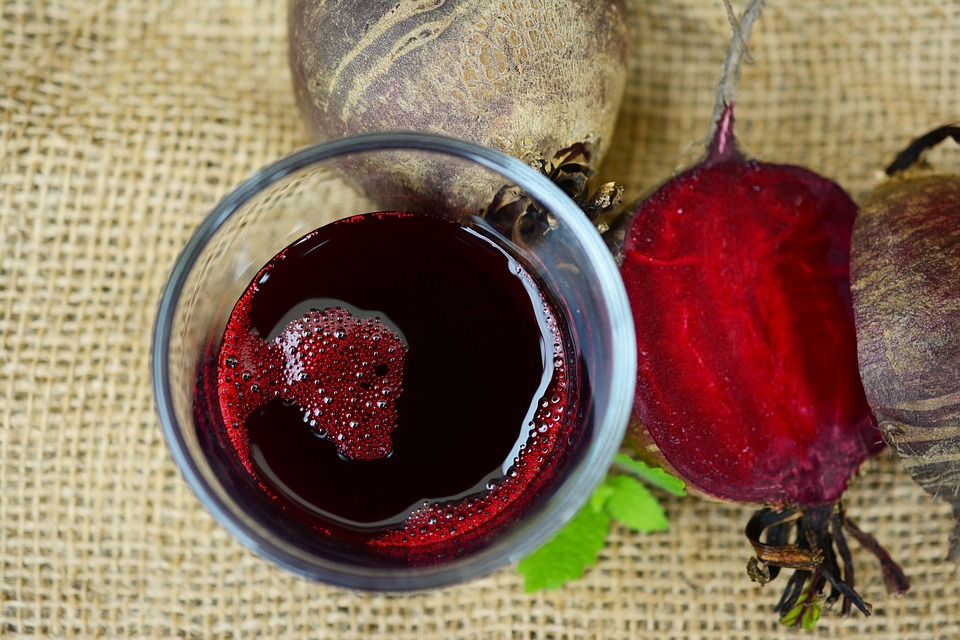
Just like all other fruit and vegetable juices, beetroot juice offers tremendous health benefits. It contains minerals, antioxidants, essential vitamins and compounds called betalains that help boost the immune system.
Ever seen those red-colored
candies, ice creams, salad dressings, gelatin deserts, cake mixes or yoghurt? The red hue is often obtained from added beet
juice. This makes beets quite an important ingredient in the culinary arts if
you want to obtain that specific magenta or beet
red color.
Beetroot Juice May Benefit Your Health in Several Ways
Maintains A Healthy Body Weight and Improves Athletic Performance
Adding beets to your morning smoothie can go a long way in maintaining a healthy weight. This is because beet juice has virtually zero fats and is very low in calories. As we mentioned earlier, beets contain compounds (nitrates and betalains) that may increase athletic performance.
According to a PMC review on
the effects of beet juice supplementation, nitrates contained in beets help by increasing
blood flow and oxygen to muscles, therefore boosting a person’s athletic
performance.
Helps Prevent Kidney and Liver Problems
Most kidney and liver problems
arise as a result of having too many toxins in the body that need to be eliminated.
Beetroot juice contains Vitamins A, B-6, iron and antioxidants that play a big
role in preventing liver inflammation and enhancing the organs’ ability to
remove toxins from the body.
First Line of Defense Against Anemia
Anemia
is one of the most common blood disorders. It occurs when the number of Red
Blood Cells (RBC) circulating the body significantly decreases. Sometimes
anemia is caused by other underlying health issues but here are a few main symptoms
to watch out for:
- Fatigue (this is the most common symptom)
- Fast or irregular heartbeat
- Light headedness
- Headaches
- Shortness of breath at times
RBCs contain 70 percent of the
body’s iron reserve. This means that RBCs require constant supply of this
nutrient factor. Beetroot juice is rich in iron and can be an excellent supplement!
Beetroot Juice Lowers Blood Pressure
A 2014
study found that nitrates, a compound found in beets, readily converts to
nitric oxide in the body and plays a huge role in widening and relaxation of
blood vessels. This greatly helps prevent hypertension.
Researchers recommended at least 300 ml or about 9 ounces of
beet juice every morning because this goes a long way in reducing both systolic
and diastolic blood pressure.
Beetroot Juice May Help Regress Dementia
According to a recent research by
PMC, beets contain nitrates that help increase blood flow in the body.
Researchers administered high-nitrate diet that included beetroot juice to
participants between ages 70 to 85 and periodically recorded their brain MRIs.
The research proved that increased blood flow to the brain’s
frontal lobes improved cognitive thinking and behavior. However, more research is
needed, but a high nitrate diet can help regress dementia. Try beets!
In Conclusion
The health benefits of beetroot juice cannot be understated. It offers several other significant benefits such as lowering cholesterol levels, a good source of folate, and also helps minimize cancer metastasis. Consider adding beetroot juice to your daily diet today!
by admin | May 16, 2021 | beet red color, Blog
When you search “beet red color” or beet E162 on your favorite search engine, you get to see multiple advantages and disadvantages of using this food additive. For a fact, there are synthetic dyes that try to mimic this natural food color.
Red 40 for example, is entirely
artificial and delivers the desired red hue quite the same as E162 beet red. However,
Red 40 mainly consists of chemicals and has zero nutritional value to human
health. This makes E162 one of the most nutritive food colors and best
preferred natural food coloring ingredient.
If You’re a DIY Kinda Person, Here’s How to Make Beet E162
In case you’re wondering how to
make this vibrant natural food color, there are multiple ways you can obtain this
red pigment.
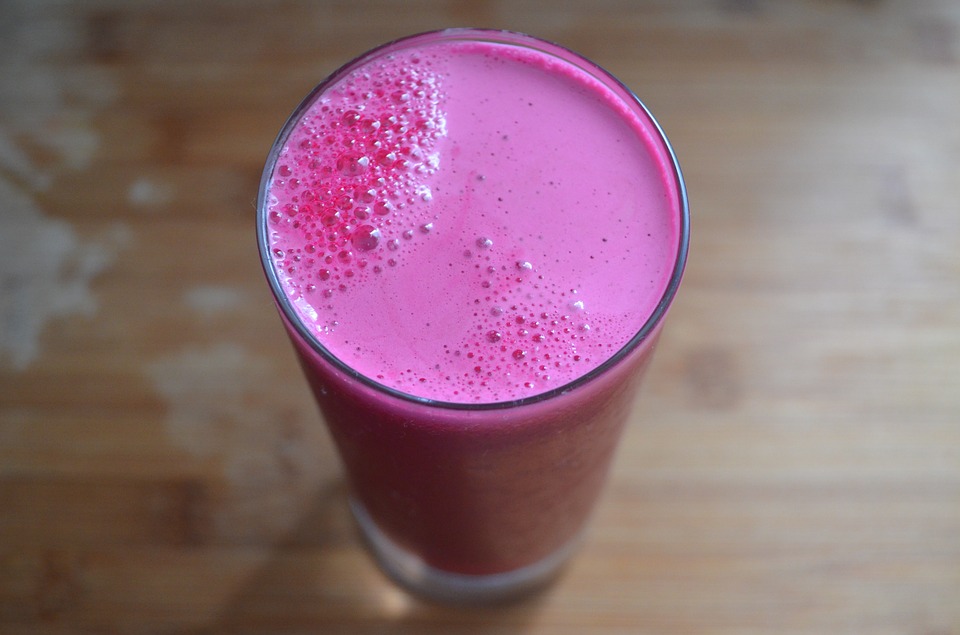
Blend beets to obtain raw beet E162
Chop a few beets and blend them
using a juicer or a blender. Beet juice extracted from a blender is always
viscous, therefore it is important to remember that more water helps with
consistency.
Also, you might want to
consider the number of beets used to make this juice because too many beets make
the flavor more prevalent and it might upset your pallet. You might also
consider making
beet syrup if you’re looking for a sweeter option.
Make beet puree
Pureeing is the art of crushing
vegetables or fruits into a thick smooth sauce that can be added in baked
products or other culinary purposes. You can also make beet E162 by boiling,
crushing, and sieving them to obtain a smooth extract better than juice.
One of the main advantages of
using beet puree instead of beet juice is that, beet puree offers slightly more
calories, minerals and essential vitamins compared to beet juice. Also, this
specific puree provides antioxidants that effectively boost the immune system
and prevents excess cell damage in the body.
To make beet E162 puree, boil
the desired beets (with skin) until tender. When ready, remove beets from pan
and remove the skins. Since the skins are edible, you might consider adding
them to salads because of their tremendous cardiovascular health benefits.
Blend the peeled beets and add
water or milk until you obtain the desired consistency. If the beet puree has
lumps or big vegetable chunks, strain or sieve them for a more consistent food
dye.
Boil beets in water
Boiled beets also release
color. When you buy beets from your local grocery store, just make sure to
thoroughly wash them and remove all dirt. Dice or cut the beet in chunks and
boil them in a covered pot.
Let the beets simmer until
tender or until there’s just a few spoon-full of water left. This water is your
beet juice and can be used as food color. However, remember that beet water is more
dilute and waterier than beet puree and raw beet juice.
You can use the boiled beets to
make squash or fruit punches, best served chilled!
Always Remember That
Consuming too much beet 162 can make urine or poo have a red, pink or magenta pigment. However, this shouldn’t shock you because according to Harvard Health Online, beeturia () doesn’t indicate serious health problems.
Do you have other methods you use to obtain beet red food color? Let me know in the comments below and I’ll be sure to feature your comments in my next article!





Recent Comments