There are many different ways to develop natural food colors and most of them are effective and provide top-quality food colors. The best method to make natural food colors out of all of them are given below:
The sources to make the natural food colors can be found everywhere around us such as raspberries, strawberries, sweet potato, tomato, beets, cocoa, coffee, activated charcoal, and many more. Our first step is to choose the right source to make food coloring. The food colors completely depend on what source we choose. While making the food colors, keep your expectations reasonable because natural colors are not as vibrant as commercialized food colors. So just keep in mind that your red will not be pure red but it will give a nice and unique tint.
Give Preference to Natural Food Colors
The second main thing to consider is the flavor of the food colors. The natural food colors are much better than a commercialized product in the sense that they give natural taste while the artificial taste can be felt from the commercialized product. The flavors are made from the natural ingredients of food, and when added while icing the product, it gives an everlasting taste. This method of adding flavor might not be effective for many ingredients that need cooking such as cocoa, matcha, and coffee but it is useful for food products like squid ink, spinach, and many more and can give a very fresh and natural taste.
Powder and Liquid are the two forms of food colors, and both are used worldwide. The easier way to make natural food colors are through powder. The powder form can provide a more concentrated color as they easily mix up with water. The powder forms of vegetables and dried fruits are easily available in the market, but they can also be made easily by first freezing and then pulverizing the dried food items. Some can directly be added to the frosting because they naturally exist in powder forms like cocoa, spices, tea, and coffee, etc.
Getting Pure and Concentrated Liquid Form
The other method is through a liquid form. Getting a pure and concentrated food color from a liquid is quite a challenging task. The solid particles that are usually left in it. A juicer or a blender can be used to make a liquid form of the food products. The particles can be strained out, which is time-consuming. After finishing, the liquid of the liquid base is reduced to make sure the more concentrated food colors are obtained. The normal recommendation is to reduce the water until ¼ cups are left. This is the pure and natural food color ready to put to freeze.
Keeping an eye on the temperature is a main and crucial part of making food colors. These natural food colorants perform great while shading the frozen products. Many baked goods can also be shaded and flavored with these food colors. But heat can cause the colors of many products to go duller and darker. It is also a recommendation to cool them properly before actually using them for any food recipe.
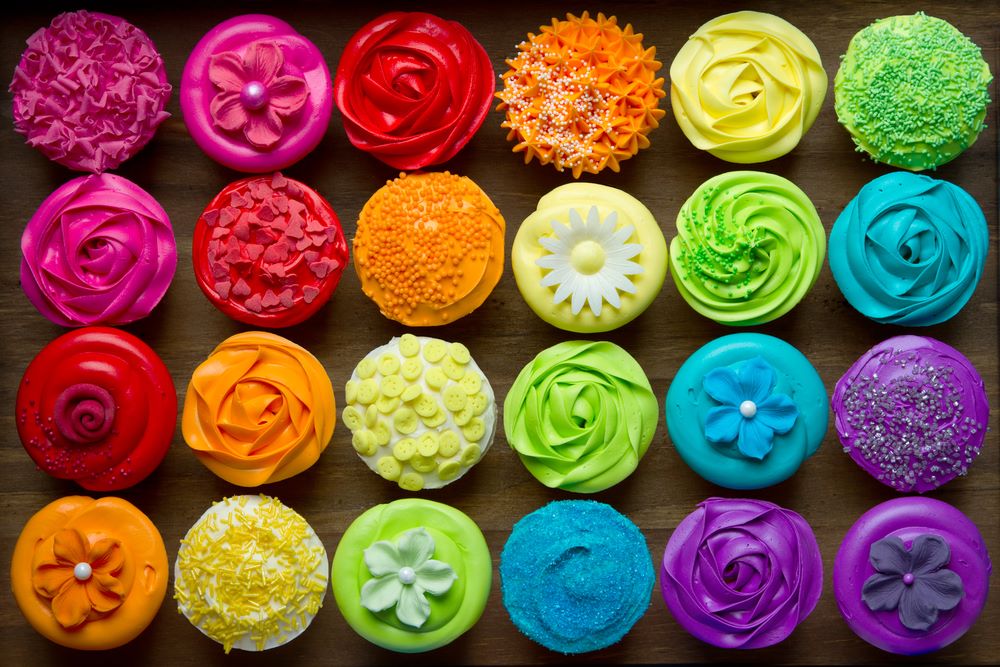
After providing the proper temperature to them, the natural food colors are successfully made. Now the final step is to add them in frosting or icing. The expert way to add the color is to add it gradually until you achieve the desired color. Just make sure to add more powder color than liquid color. Powder color is more effective in flavor and color.
You can buy natural food coloring but it is much expensive. Colors and flavors play an important role in the success and marketing of a finished product after its synthesis. If the color and flavor are according to the customer’s choice, then it is of great worth. Otherwise, it is of no use. Because, if the smell or color of the finished product is not good. It will not be sold out.
Usage of Benefits
The usage of color additives in food has a lot of benefits. It makes the vision of the food more attractive and mesmerizing. Furthermore, the color loss is also prohibited. Hence the addition of colors in foods also gives an attractive hue to food. Now as far as the flavors are concerned, they not only add taste to the foods but also have many functional roles as well. These functional roles include masking off notes and bitterness from nutritional ingredients such as proteins and fibers. It is quite clear that there is a difference between artificial and natural color dyes of food. Artificial dyes are often found in Easter eggs and pastel cakes. While the natural stuff of food dyes is present in plants and it is free from glycerin and corn syrup. As far as the cost is concerned, it is very costly.
Natural dyes are very beneficial for those who are allergic to synthetic dyes. Now we will discuss the hacks for creating your own food dye if you are not comfortable with the artificial dyes available at stores. For starters, it is suggested simply to use turmeric as yellow food coloring—no treatment needed. If you want to make the pink or red color, you can use beet juice or dry strawberries and then crush them into a fine powder. It will add a pink tone to your food.
Natural Food Color
There are also many alternatives for green and orange dyes. If you want an orange color, then use saffron and if you want green color then use matcha for this. In this way, you can have natural dye for your food. We can buy natural food coloring from the market. As far as the price is concerned, natural colors are costlier than their synthetic counterparts and present certain stability challenges from heat, light, and oxygen, brands are reformulating with great success. As far as Kraft’s Macaroni & Cheese is concerned, the brand was able to eliminate its artificial colors and flavors without consumers really noticing a difference. Kraft announced in April 2015 that it planned to remove all artificial flavors, preservatives, and dyes from its Blue Box, and did exactly that in December of that year. In March 2016 which is just three months later, the brand reported the selling of more than 50 million boxes of its mac and cheese, revamped with natural coloring from paprika, annatto in the place of yellows 5 and 6. It was all about buying a food color.
A lot of sources such as vegetables, fruits, plants, minerals, and other natural sources are the best in order to extract natural food colors but these are edible. They add color to food.
Natural Food Sources for Obtaining Natural Colors
Foods and other edible natural food sources are the best to get natural food colors. These are also perfect to obtain by physical or chemical extraction of the pigments from relative foods. As far as their forms are concerned, they are present in many forms like liquids, powders or gels and pastes. So, it is perfect to use at commercial and domestic stages for cooking purposes. However, food color is actually a dye or we can say that it is an additive or pigment that imparts color to the food or drink.
Usage of Food Colors in Non-food Applicants
There are different non-food applicants. And these are cosmetics, pharmaceuticals and medical devices. Certain colors get aligned with certain flavors. Sometimes, it is aimed to stimulate a color that can be perceived by the consumer as a natural color. Color additives are also used for a number of reasons. Find the reasons below
To make the food attractive, alluring, mesmerizing, and appetizing
Correct natural variations in color
Enhance colors that occur naturally
Provide color to colorless and “fun” foods
Allow consumers to identify products on sight, like candy flavors or medicine dosages
Carotenoids, chlorophyllin consists of four main classes of plant pigments which grow to color the food products. Other pigments that give colors or specialized derivatives of these core groups include:
Annatto, a
reddish-orange dye made from the seed of the achiote
Caramel coloring, made
from caramelized sugar
Carmine, a red dye
derived from the cochineal insect
Elderberry juice
(E163)
Lycopene (E160d)
Paprika (E160c)
Turmeric /Curcumin
(E100)
As we know that blue colors are rare. One of the blue dyes gets prepared from spirulina. According to some recent research, associating anthocyanins explored in combination with other phenolics and aluminum ions to create blue colors.
Natural Food- Safer to Eat
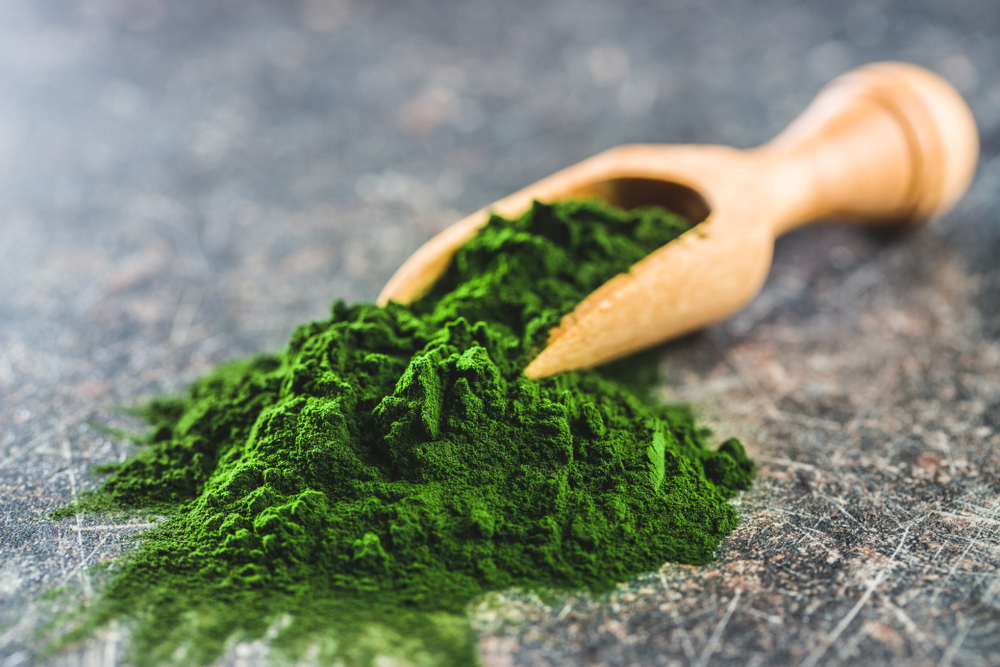
As far as some of the most common natural food colorings are concerned, they contain carotenoids, chlorophyll, anthocyanin, and turmeric. As far as the green and blue foods are concerned, they now have matcha, cyanobacteria, or spirulina for color.
For the purpose of making sure the reproducibility, the components of these substances which are coloring. These are providing in highly purified form. For stability and convenience, they can formulate in suitable carrier materials (solids and liquids). Hexane, acetone, and other solvents break down cell walls in the fruit and vegetables and allow for maximum extraction of the coloring. We also know the solvents as carry-over ingredients.
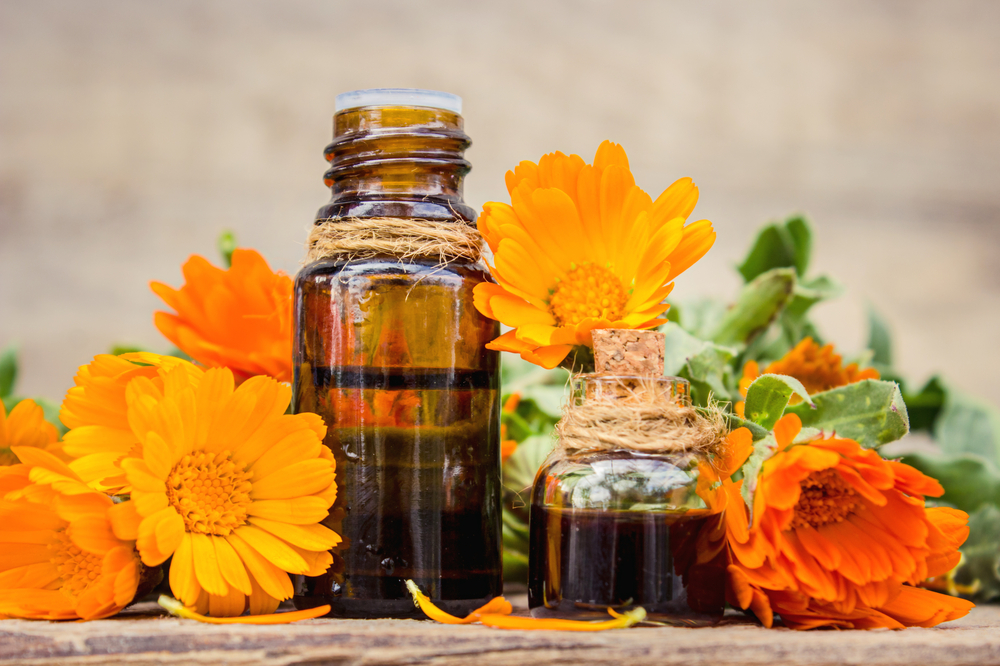
In commercial farms, Lutein cannot be ignored at all. Another important food colorant that is yellow in color and is being produced from the flowers of marigold is called Carotenoid Lutein. It is also found in most green vegetables, and beneficial for our health, as it provides anti-oxidants for different food products.
What are Medicinal claims?
Many of the experts call Lutein as ‘The Eye Vitamin’ because it protects against many eye problems like AMD and many other dangerous conditions like heart diseases or diabetes. It has been found to develop cancer in animals, however, the studies are not yet conducted for humans. There are also claims for heart diseases because of lutein, however it is not a certain fact that it is responsible.
What is the right dose of Lutein?
If peoplemust take Lutein, then
the right dose for them is as:
After conducting much researches and experiments, scientists have come to this conclusion, that up to 20mg per day is the right dose for adults.
The right dose for children is unconfirmed and yet to determine.
It is not recommended for pregnant or breastfeeding women because of other nutritional medications.
What are the side effects of high dose?
Consuming a high concentration of Lutein can cause different health related conditions, such as carotenodermia which is a skin discoloration problem. Which changes the skin and eye color and can be misunderstood for Jaundice. The color can be wiped with an alcohol swab.
What to do in case of a high dose?
If someone mistakenly takes a high amount of lutein, then immediately get in contact with poison control for help or find the right tools online. Do not waste your time, trying to vomit as it is not a helpful strategy.
What are the right usages?
It has many uses like food colorant and using as a supplement to add nutrition in baking products. It is used is many different edible products such as:
Beverages bases.
Dairy and egg products.
Gravies and sausages.
Juices and desserts.
Fats, oils, and cereals.
Chewing gum.
How is Lutein taken?
Lutein is usually found in orange or yellow color and can be easily availed from markets, food, or supplement stores or online markets as well. It is also available in drug form which can be taken from and medical pharmacies but consult your pharmacist or doctor before you take the drugs. It can also be found in the form of a capsule.
What does FDA say?
It does not fall under the authority of the Food and Health Administration (FDA) as it is a supplement. As not much scientific research is done on it so no confirmed statements can be presented about the side effects but it is not recommended in pregnant women or children.
Which are the functions of Lutein for our body?
Lutein is found in different parts of our body
such as the brain, cervix, breasts but prominently in the eyes and plays
important roles to help our body to function properly. The best way to take
lutein is through the mouth, as it also controls the lutein deficiency.
The most important sources are solvent extraction of grass, lucerne, nettle, and other plant material. Sodium copper chlorophyllin is a chemical structure. The mixture of the water-soluble derivatives of chlorophyllin prepares it. Its chemical formula is C₃₄H₃₁CuN₄Na₃O₆. It is designed specifically to have many uses. “Sodium Copper Chlorophyllin is a stable, water-soluble derivative of Chlorophyll which is the naturally occurring pigment that gives plants their green hue”, originally. We shall discuss some of the things where it is perfect to use properly. The usage of sodium copper chlorophyllin is a widely accepted norm in ice creams, dry beverages mixes, icing, and confectionery.
Colorant
Its usage as a colorant is also perfect for a wide range of applications. These colorants can also be termed as pigments or dyes. These colorants are used for providing colors to drugs, care products such as hair dye, inks for the tattoo, and cosmetics. It is also a famous colorant for food products. It’s another use is the ink for printing of papers.
Fragrance
It has the main purpose as a fragrance in different products. Its usage as use as a fragrance in a wide range of perfumes is common.
Consumer Use
It is used widely for
consumer use such as cleaning washing products for humans or for machines that
might be for residential, commercial, or industrial areas.
Personal Care
There are a variety of cosmetics. The sodium copper chlorophyllin is used such as shampoos, soaps, lotions, perfumes, and toothpaste, etc.
Pesticides
In the field of
agriculture, this pigment is used as a pesticide to save the crops from
different kinds of bugs or pesticides that attack the crops in different
seasons.
Dietary Supplement
Even though very small knowledge is known about its absorption or digestion in the body. Even, after the demonstration of the properties of antioxidants and anti-mutagenic properties. However, it is still considered as a dietary supplement.
Reducing body odors.
This is not a hundred percent proven or accepted by all the experts however it is not a guaranteed fact that there are enough pieces of evidence that reveal that the use of chlorophyllin is much helping people reduce their body odors in elder people.
Constipation
Many types of research suggest that taking chlorophyllin can relieve constipation significantly. That is perfect especially for older age.
Reducing fecal odors
There is some
evidence that chlorophyllin might help reduce fecal odors in older people.
Gas (flatulence)
It also helps to
reduce gas in the stomach according to many types of research as well.
It is an inside deodorant and typically in the treatment of slow recovering wounds. It does not have any harmful side effects.
Another use of sodium copper chlorophyllin is that it produces acid drink like a green colorant, in drink a floss. It affects our senses and also the color of the drink that contains sodium copper chlorophyllin. It directly affects the sense organ and the color of the drink.
Sodium copper chlorophyllin while using as a colorant can be used for nectar, processing of food, processing of vegetables, and for candies as well.





Recent Comments