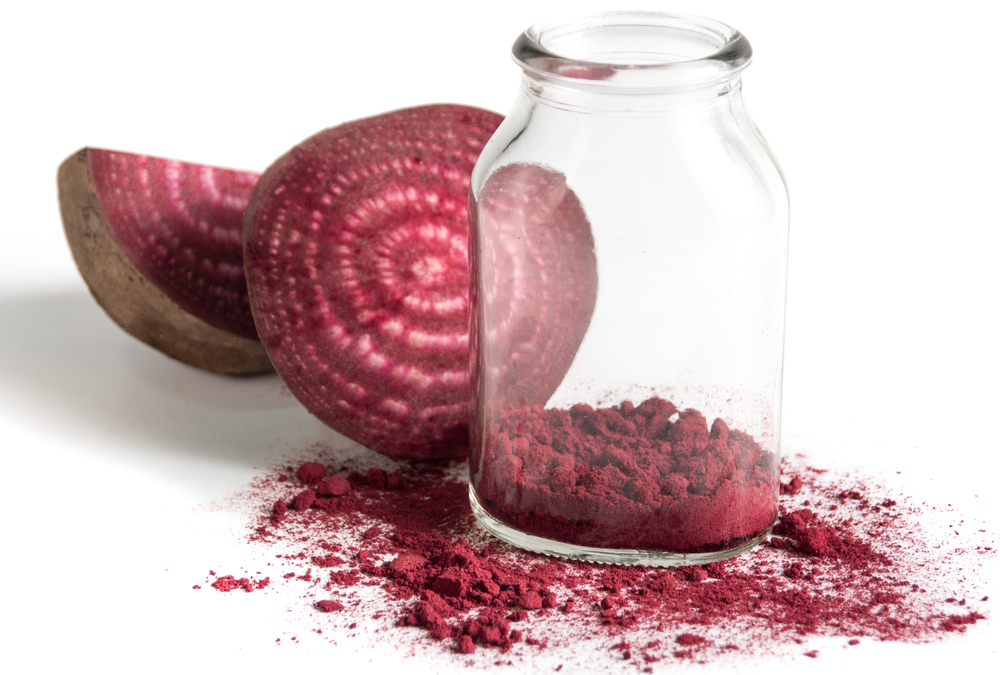
Beet Red Color is a highly natural that is beneficial, too. With the change in the season, we start seeing a lot of red colored botanical lives around us and portrays some beautiful bright colored shades that life can create. There are red natural pigments found in the plants or their fruits that are world-wide used for cooking and eating. According to recently published research scientists found out about a key step that reveals us about the beautiful red colors of new species of beets which will provide information regarding how this new form came into existence.
Physical Information
The beets that are consumable provide us Red Color. They are one of the few plants are planted for their roots as their roots play an important role. These beets are evolved from the species that are found in Asia, few regions of Europe and North America.
There are many different types of beets, few are as given
Chard
Forage beet
Sugar beet
Pigment Betanin
Betanin is a pigment that is found in different species of beets. This pigment is also used to distill red color. The beet yellow color and anthocyanin combined to develop. It is very useful as food since it has a lot of nutrition in it such as potassium, manganese, iron, and dietary fiber and it is PH dependent color.
Beet develops betalains into them which is made up of an amino acid named tyrosine and betalains are the reasons for red hot hue and scent that comes out of red beet. Tyrosine is a material that developed thousands of plant compounds. The unusual behavior that tyrosine abnormally kept on generating causes pigment to become red.
Benefits of Beet Red Color
It is very efficient for the flow of blood and enhances it. It also controls blood pressure.
Very useful for decreasing triglycerides and cholesterol.
Helps and enhances the functions of the liver and kidney.
Beet red color in the powder helps in curing skin problems, lethargy, and headaches. The beet-red color is helpful in the treatment of skin issues and headaches as well.
Improves the immune system. The immunity of humans gets enhanced.
Chemical-free blush is also developed from the beet-red color.
Usage of Beet Red Color
It is a natural food color which is also used for supplements of food. Beet red color has become one of the most liked color due to the efforts done for removing synthetic food color and adding natural colorants.
Monascus color is derived from a species of mold that has a purple red color called Monascus pupureus is a species of mold that is purplish-red in color. Monascus color also known as Monascus red is being produced by using microbes of genus Monasucs. It is found in red color and water soluble and it mostly is made up of a chemical structure called monascorubrins which is being taken out of Monascus1.
Monascus has been used for the manufacturing of food in different places that usually have higher temperature than other countries like Asian countries such as China, Taiwan and Fukien.
Characteristics
Red colored Monascus and water solution, they are being mixed up with acetic acid and water and collecting exhibiting a realistic red color.
Properties are the coloring is of excellent quality specially protein’s affinity is outstanding. These natural colored pigments are being used in fruits and vegetables
It is steady in high temperature but for the exposed sunlight, it is not quite suitable and become unstable.
Metal ions such as CA++, MG++,Fe++ etc, this food color is very stable for these metallic ions.
It provides with big range of products and provides a variety of color shades from slightly dark red color to a yellow light. 65
It provides products which can easily be utilized in liquid, powder, for the manufacture of various food products.
The acid-resistant, resistant for salts RPH series is also present. This series can be used in edible products with an acidity of pH4 or below and salty food.
It is practically developed by the process of liquid deep fermentation in handled temperature. As it has a strong and natural ability of coloring, it is being used a lot lately in the different edible products such as meat, baking products, and drinks. It has 100% safe, bright and natural color and no alcohol-soluble are added and completely water-soluble.
Physical Information
Monascus red is one of a kind of mould having different names like rice kernel discoloration, red kojic rice, red yeast pigment and monascorubrin. Pigments develops during the break down of starch substrate done by monascus spp. which secondary metabolite develops.
Monascus Red Powder
The kind of substrate and different other elements
combined can produce different structure of the pigment.
Uses
It is a natural food color which is used as medicines in traditional treatments as natural coloring agent as well as in different food recipes.
Monascus spp. along with the yeast is used in the production of red fermented rice as monascus do the breaking down of starch and convert it into simpler form of sugar meanwhile yeast convert it into alchohol.
The powder form of Monascus red is also used as coloring agent.
Monascus color has many different uses in meat, ice-cream, bean curd, puffed food, jelly, biscuits and many others.
How to Use
Add
the amount of monascus color according to your product need however usually
0.2% to 2% is used in different products.
Majority
of the products are less light resistance however some products that need good resistance
should be used carefully.
Bamboo charcoal product is amazing that
will not only deodorize your home but it can also be used as a cosmetic
product, a disinfector, among other applications.
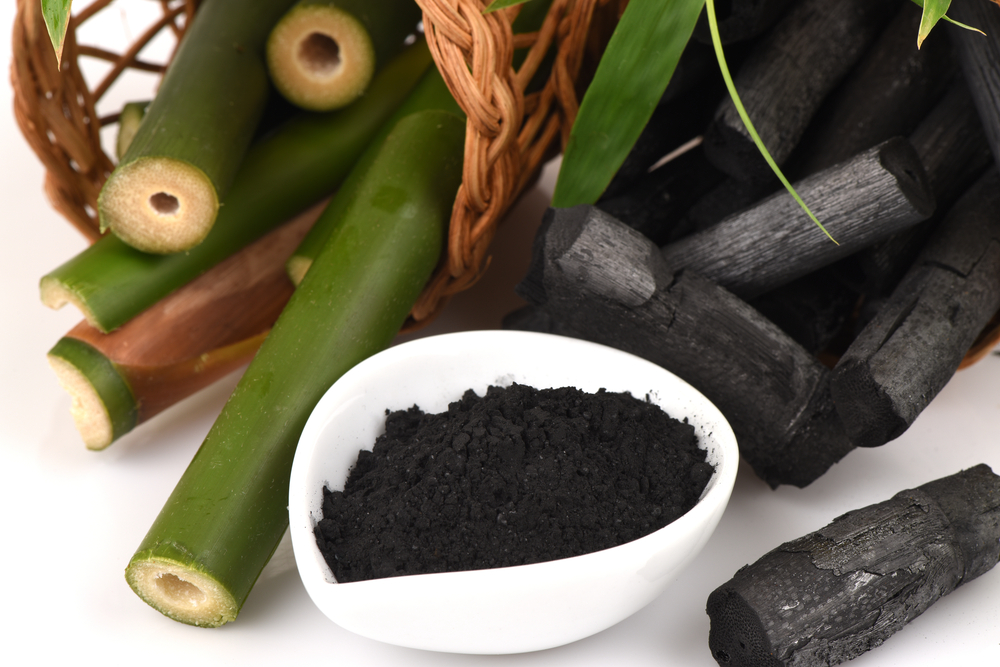
Bamboo charcoal has attracted many people because of its marvelous uses. To find out the reason for everyone’s attraction towards this material, let us have look at its uses and what actually it is. It is obtained from a bamboo plant that is harvested every five years. It is then burned in the ovens and the temperature is maintained ranging from 800 Celsius to 1200 Celsius that reduces the pollutant residue and hence gives benefit to the environment. Bamboo charcoal has a long history related to China.
The most important thing that will fascinate you is that the product is produced from bamboo by the process of pyrolysis.
Usage of Bamboo
Charcoal
For many years, it has been a famous filtration medium and also a popular component of medicine in Asia, Japan, Korea, and Taiwan. The usages and benefits of the product have become evident to Westerners in recent years. It is a very active and advantageous deodorizer and purifier that has a lot of other usages.
Natural deodorizer
Help you breathe easy
Improve water quality
Myriad of uses in and around the houses
1. Natural Deodorizer
It adsorbs the odor without covering bad smells with cloying perfume. Air fresheners actually contain many harmful chemicals that initiate the asthma attacks and other harmful diseases related to the lungs and heart. But the bamboo charcoal adsorbs the bad smell and maintains the normal smell. It does not provide extra sweet smell as air fresheners do.
Hence you can use the product as a deodorizer to remove the bad smell from your car or house. It will not make you choked like air fresheners.
2. Helping You to Breathe Easily
It helps you to breathe easily that eliminates pollutants from the atmosphere and makes the atmosphere fresh.
3. Improve Water Quality
When bamboo charcoal is added in water, it removes impurities and pollutants from the water and makes it clean and healthy. Now the water is fit for drinking.
4. Myriad of Uses in and Around the Houses
The bamboo charcoal is an ideal dehumidifier. You can also use the powder of the product in your closets and cabinets. It can also be used in your cupboard to make your clothes fresh that has also many health benefits. It makes your skin fresh. You can apply its mask over your face for attaining a fresher look.
Does Bamboo
Charcoal Really Work?
Mostly people have a number of
queries in their minds about the efficiency and working capacity of bamboo
charcoal.
No more worries about the efficiency
of the product.
Yes, bamboo charcoal really works. Air purifying bad contains bamboo charcoal for skin in it. Then these bags are used in your cars and houses. Hence we can say that it really works. It does not go in vain.
Usage of Natural
and Organic Ingredients
It has 100 percent organic and natural ingredients in it. That is why it is not harmful to us rather it has many benefits. The organic and naturalingredients of bamboo charcoal increase its worth.
Salient Features:
Following are the salient features of bamboo charcoal Powder:
Adsorption
Reduction
Catalysis
Carrier of biomass
Carrier of chemicals
We are damn sure that the features of bamboo charcoal will make the product perfect for you to use.
Always invest in to enjoy extraordinary features with 100% reliable outcomesbecause we prepare it only for your best cause.
Have you seen pictures of dark-colored foods online? Ever wondered what gives them that tinted pigment? Bamboo charcoal is responsible for the dashy, unique looking pigments found in most foods including ice-creams and pizzas.
HD Image of bamboo charcoal
Activated charcoal is obtained by heating carbon-containing compounds (in this case bamboo) at extremely high temperatures in order to obtain charcoal. The charcoal is then oxidized for it to be “activated”.
Some of the uses of bamboo charcoal include:
Activated charcoal has been lurking around for a long time. It has multiple uses as well. The following are some of the uses of activated charcoal:
Used in drugs that help reduce bloating or flatulence
Widely used in filtration and water treatment systems
Is a newly adopted ingredient in making burgers, ice-creams, twirls, crackers, and biscuits
Major perks of using bamboo charcoal
1. Bamboo charcoal is a detoxifier
Urea is a byproduct of protein digestion. Activated charcoal binds and filters toxins derived from urea, therefore, easing kidney functions and minimizing complications.
These complications include gastrointestinal damage and inflammation, and chronic kidney diseases.
In a recent study, volunteers suffering from gastric gasses were administered 450mg of bamboo charcoal for 2 days before having ultrasounds done.
Examiners were able to see internal organs from more than 95% of the volunteers. This was because gastric gasses obscure the visibility of certain abdominal organs during ultrasounds. Also, more than 34% of volunteers reported having improved symptoms, in just 2 days!
However, the European Food Safety Authority (EFSA) mentions that there’s no particular dosage to reduce gastric gases, but advise at most 2g of charcoal between meals.
3. Used in water treatment systems
Water treatment plants make good use of activated charcoal for their filtration needs. Due to the binding properties found in activated charcoal, the molecules are able to absorb and filter out mold, bacteria, viruses, toxins, and drugs that may have found their way in the water.
4. Bamboo charcoal helps improve oral hygiene
Multiple oral drugs contain activated charcoal. One of the main reasons is because activated charcoal’s strong binding properties enable it to absorb and “hold on” to microbes and toxins – which essentially cause oral health degradation.
5. A key ingredient in making deodorants and gas masks
Most gas masks have activated charcoal installed in air nozzles to help absorb toxic gases and fumes. Since charcoal is harmless to the body, it is also used in most deodorants.
Charcoal strongly absorbs moisture and unpleasant odors at micro-levels, therefore, making it ideal for use under armpits, in refrigerators, shoes, and on skin infections.
In Conclusion
It is important to note that, despite the numerous benefits of consuming natural colors, you’re well-advised to avoid taking activated charcoal with medication.
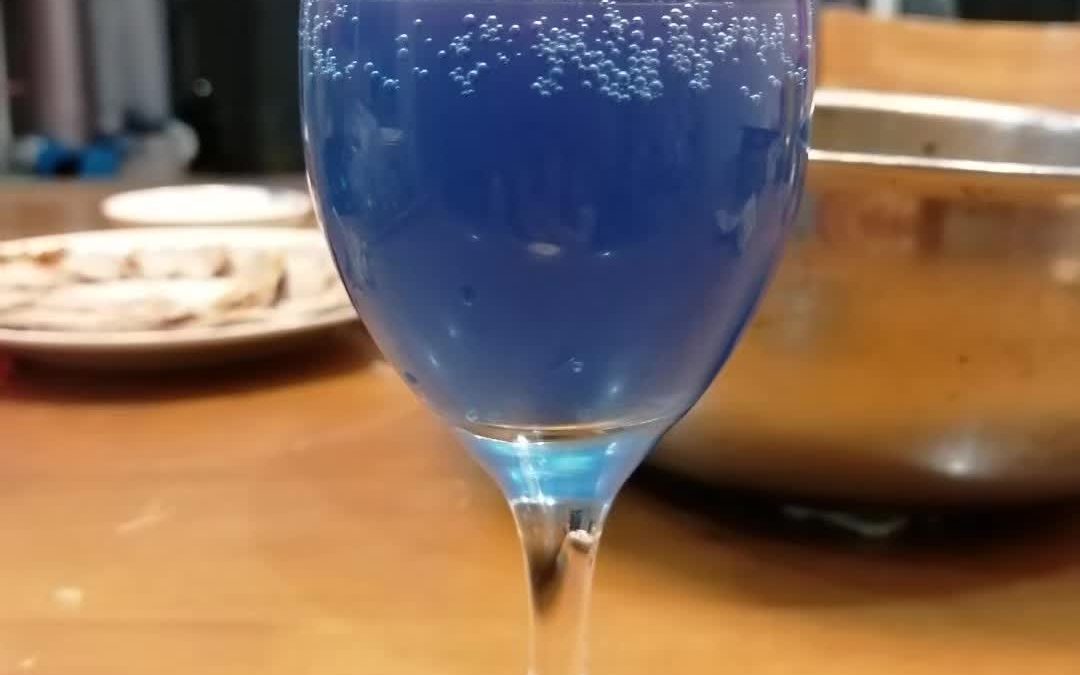
Phycocyanin is a key recipe in making blue colored drinks.
Initially, the addition of blue colorants relied on synthetic dyes, which often resulted in allergies or unfavorable taste.
Researchers from Newcastle University found a way of extracting phycocyanin from spirulina. This is by hitting the algae at a specific frequency of light.
The demand for phycocyanin is increasing and more individuals opting for a natural food colorant to artificial colorants.
However, the production of phycocyanin is very costly. The rare blue color is produced due to scattered light and not a pigmentation.
Plants come with a bundle of proteins known as phycocyanin, which is a chemical in nature. It absorbs the long wavelengths of red and orange light colors; splitting them to shorter blue wavelengths.
The phycocyanin pigment is soluble in water and non-toxic to humans, making it an ideal food colorant.
Phycocyanin is also utilized as an anti-inflammatory and antioxidant; it has undergone an exponential growth as a food colorant.
How to make blue colored drinks with phycocyanin
The first ingredient required is blue
spirulina, ensure that it’s 100% natural free from contamination and unpleasant
taste.
You’ll only need a tablespoon or less of
the powder to turn your drink to a blue hue.
Using blue spirulina is cheap as the powder
can be utilized on a daily.
However, if you’re using it on foods or beverages that are acidic, the color changes.
Simple Benefits of using phycocyanin
1. For energy and athletes
Phycocyanin comes with incredible benefits for athletes and boosting energy for individuals. This is all thanks to its connection with the erythropoietin (EPO), a hormone produced in the liver and kidney.
When cells contain a low level of oxygen, the body signals the production of EPO, which stimulates the production of red blood cells by the bone marrow stem cell.
Hence, more supply of oxygen throughout the body and the rise of mental and physical endurance.
2. Modulation of pain
Another benefit of phycocyanin is the modulation of pain, as it inhibits the cyclooxygenase-2 enzyme that causes inflammation.
This inhibiting occurs due to the production of prostaglandin E2 (PGE2).
According to one double-blind placebo-controlled human study, individuals using phycocyanin, have a significant reduction of chronic pain while resting and when active.
3. Potential treatment for different cancers
Phycocyanin is a potential treatment for different cancers affecting people according to the Journal of Cancer. This is due to phycocyanin ability in blocking the proliferation of cancer cells, and killing of cancer cells.
Phycocyanin also exerts anti-cancer activity by blocking tumor cell cycle, and induction of tumor cell autophagy and apoptosis.
In conclusion
Phycocyanin contains anti-inflammatory and antioxidant properties.
It has also seen exponential growth in its usage as a natural food colorant.
To produce more phycocyanin, researchers have placed the pigment under a diet of red light. This is at a precise spectrum, which forces the algae to maximize production. Thus, resulting in five times blue colorant output with the use of red light long-wavelength.
To make a blue drink, all that is needed is the addition of blue phycocyanin to the drink.
If the drink or food is acidic, it will need more of the blue colorant and change to turn to a desired blue color.
Phycocyanin is not only an ideal natural food colorant, but it also comes packed with a lot of health benefits that a user gets to enjoy.







Recent Comments