
by admin | Mar 11, 2022 | Blog
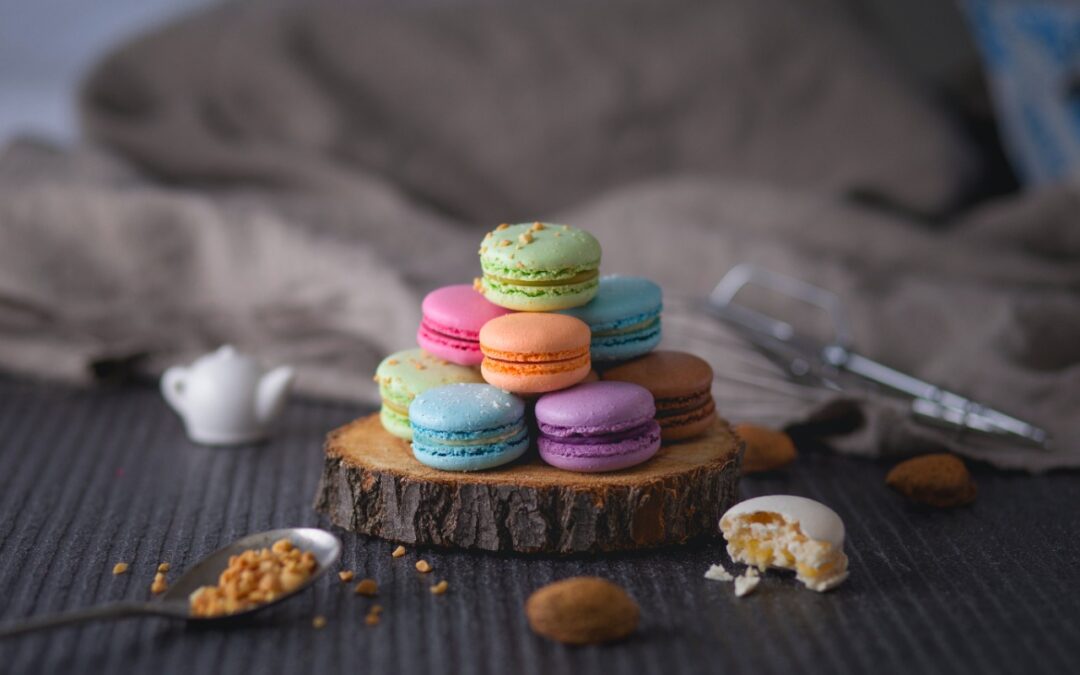
A macaron, often called a French macaron, is a delicious meringue dessert made with egg white, icing sugar, granulated sugar, almond flour, and food colouring. The macaron is said to have been introduced to France by Queen Catherine de Medici’s Italian cook.
Is it possible to make macaron with natural colors?
Definitely it is possible you can use various natural color to make macarons. Ingredients like freeze dried fruit powder, turmeric, hibiscus powder, and beet root powder, gardenia blue, gardenia yellow, sodium copper, carmine cochineal, paprika red, vegetable carbon black could also be used as natural food colouring.
You can use any of the natural food color to make macarons but today we will be making macaron with beet root. If you would like to try another color you can also do that no worries.
Yes, its completely safe to use. Natural dyes have been used to colour food for ages.
Way to make macaron with natural color
You
will need few things to make macaron . You should have
- 3 beaten egg whites
- A quarter cup of white sugar 1 cup flour made from almonds
- 1 and a half cups powdered sugar
- Natural colors from ( Santacolor) (any color you desire)
- Baking mat for macarons made of silicone
Now you will need to follow these steps after
- On a cookie sheet, place a silicone macaron baking mat.
- In a mixing bowl, whip the egg whites using a stand mixer until they are frothy. Mix in the white sugar until the egg whites are glossy and frothy. The egg whites should have soft peaks.
- Add drops of beet root color until the desired shade is achieved.
- Whisk together the egg whites, powdered sugar, and almond flour in a large mixing bowl. With a large spoon or spatula, do this by hand. Approximately 30 strokes.
- Fill a piping bag halfway with the mixture. So that the disc space is cover, pipe the batter onto the silicone baking sheet.
- Allow piped cookies to stand at room temperature until they create a hard skin on top once the baking sheet is full (about 1 hour).
- Preheat the oven to 285 degrees Fahrenheit and bake cookies for 10 minutes. The cookies should be bake but not overbake. We recommend keeping a tight check on them because they can quickly burn.
- After the cookies have completely cooled, sandwich two cookies together with jelly or cream filling.
- Wow, people, with your incredible macaron-making abilities… or keep them all to yourself. Enjoy!
To give us inquiry regarding any food color click Here
Learn more about our products click Here
by admin | Mar 4, 2022 | Blog
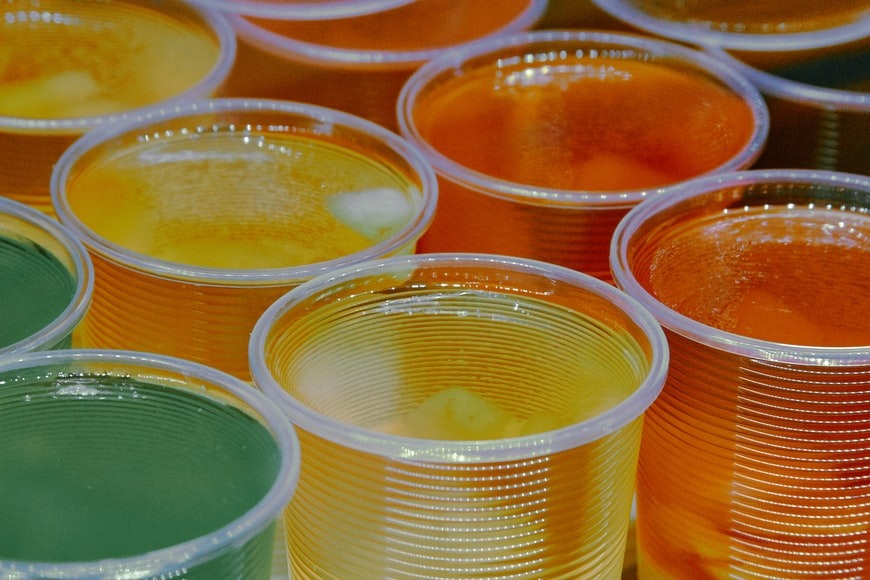
A soft, semisolid food substance with a springy feel prepared by setting a liquid containing pectin or gelatin or by adding gelatin to a liquid, particularly one made of pectin-containing fruit juice cooked with sugar.
Making jelly with natural colors
We have seen many people that makes jelly at their home but with artificial food colors. Today we will be seeing that which natural food colors can be used to make jellies and also their tremendous health benefits.
Colors
There is various natural food colorants for giving the color to food but for making jellies you can use
-
Gardenia
yellow
-
Gardenia
blue
-
Beet
red
-
Annatto
color
But
the question is how to prepare jelly with these natural colors?
Here are the answers. There are few steps to follow in order to make jellies from the natural food colors.
Making jelly
Take a pan & fill two cups of water
Now
put 1 cup of sugar, After that stir it until the sugar dissolve
completely in that water.
Now you will be needing to add Agar Agar powder 1/tsp & again stir it until that powder dissolves completely
Boiling
Next step after putting all these substances is boiling that water on medium flame for 10 minutes
Now
it depends on you which color you want to use to make jelly as we
discuss earlier that we have 4 natural pigments that we are using to
make jelly so we will be making four different colors of jellies with
the same water but if you want to use 1 color it’s ok.
As we are making four different jellies, we will be dividing that mixture of water into four small bowls
Giving Colors
After dividing the water portion equally into every bowl, we will add gardenia yellow, gardenia blue, beet red & anatto color separately to each bowl so we can have four different colors & flavors as well
Amount of color that we will be adding is 0.5g per bowl
Freezing these jellies
Final step is to refrigerate these bowls for 15 minutes
Take
out these bowls from your refrigerator after 15 minutes.
Now
with the help of knife cut these jellies in the little form of cubes
or as you like or as you wants to have .
Your jellies with natural colors are ready enjoy!
But why we use Natural color in jelly?
s
we know artificial colors have bad side effects when use consistently
or using for long term but if we talk about the natural colorants
that comes from different plants & roots have no side effects as
artificial colors have infact natural colorants are capable enough
where they can not only boost immune system & health but also
gives the food such amazing colors that people get fascinated.
To
send us inquiry of any of these colors click the color below
To explore more natural colors that we are offering to our customers please click Here.
by admin | Mar 4, 2022 | Blog
Ice cream is a frozen dessert, which refers to a variety of frozen products such as sorbets, frozen yoghurts, non-dairy frozen desserts, and, of course, ice cream. We can consider two separate varieties of frozen desserts: ice cream and sorbets, to simplify its classification.
All products with a neutral pH and dairy components are considered ice cream. Sorbet, on the other hand, refers to items with an acidic pH that are created with water and other ingredients such as fruit but do not contain dairy.
Regulation (EC) No 1333/2008 governs the use of food colors in the European Union. Certain natural colors can be used without restriction in the production of ice cream, according to this legislation.
Yellow
Because
there are so many flavors associated with yellow, it is one of the
most popular colors among consumers (banana, vanilla, lemon, etc.).
Beta carotenes are one of the most prevalent solutions for tinting
ice cream yellow.
Beta-carotenes
come in a variety of colors, ranging from pale yellow to practically
orange. The tone of beta-carotene will ultimately be determined by
the type of beta-carotene, its formulation, particle size in
dispersions, and dose.
Beta-carotenes, on the other hand, unlike anthocyanins, are soluble in oil but not in water. Beta-carotenes have the benefit of being relatively heat stable, however they do require some oxidation protection.
Green
The most common natural source for ice creams with green tones is chlorophyll and its derivatives. Chlorophyll has a greenish-yellowish color that is similar of pistachio ice cream, however it is light unstable.
Because the binding of copper to the chromophore increases its stability to heat and light, this instability of chlorophylls has been largely addressed in the case of cupric chlorophyllin’s. Copper chlorophyllin produces highly appealing vivid and intense green tones, but it should be noted that the FDA does not allow it to be used in the production of ice cream in products destined for the North American market.
Orange
Carotenoids are the most suitable natural dyes to produce orange tones. The most prevalent pigments in the carotenoid family, beta-carotenes, are widely employed in a variety of food products, including dairy, ice cream, prepared dishes, and beverages. It comes in a variety of colors ranging from yellow to red to orange, is fat soluble, and may be found in a variety of cereals, vegetables, fruits, and other plants.
Brown
The most extensively used natural brown color is caramel. It has a stronger coloring capacity than other natural brown dyes, hence it outperforms other products used in lesser amounts.It has excellent light and heat resistance. Caramel is most commonly use to color warm flavors like coffee, toffee, and caramel. Caramel is often use to tint vanilla ice cream in little amounts.
They can be blend with red pigments to create very dark brown tones. Caramel hues, as well as burnt sugars and aromatic caramels, are use in a variety of ice cream recipes for various objectives.
It is a charred vegetable matter-base natural food color. It has great heat and light stability and works well with other natural food colors for unique blends or to change color tone.
It’s ideal for use in confectionery, pastry, and ice cream. It also gives the intense black color to the ice cream which fascinates the consumers.
Beet red
Because of beetroot’s sweetness, it’s no wonder that it’s use in puddings and desserts. It not only gives this ice cream a stunning purple color, but it also gives it a deep, good flavour that pairs well with chocolate. A flake and a cone, a grating of dark chocolate over a sundae, or warm dark chocolate sauce pools are all good options.
Natural color matching
By choosing heat-resistant natural hues, we seem to have been able to get a very similar color match. Carmine is use for the pink, and turmeric is use for the yellow. Turmeric and gardenia blue are use to make the green.
In Asia, gardenia is a popular color. In Europe and Latin America, a green leaf plant (cu-chlorophyllin) would most likely be combined with turmeric. Spirulina and turmeric are still the greatest ways to make green in the United States.
Click to check the natural color we have
Learn more about natural color click Here.
by admin | Feb 18, 2022 | Blog
“Clean labelling” is a consumer-driven movement that urges food manufacturers to provide goods with simple labels that disclose natural ingredients and very few chemical additives.
Clean-label food and beverage items have been popular for a long time.
According to “Food Business News,” global sales of clean-label foods and drinks were $165 billion in 2015, with $62 billion coming from North America.
By 2020, global revenues might reach $180 billion.
This shows that, despite the time and effort required to assure the safety and quality of alternative ingredients, a growing number of food businesses will join the clean labelling movement.
Firms & Food Industry
Many
large food businesses, such as Campbell Soup Company, Nestlé, and
Mars, have pledged to eliminate artificial food additives, and clean
labelling is driving food product development innovation.
Clean
labelling is becoming more of a requirement than a trend in the
United States and around the world to stay competitive.
A
successful clean-label revolution necessitates a thorough
understanding of consumer perspectives, but many consumers are
unaware of or disagree about what constitutes a clean label.
Furthermore, switching from artificial to natural components is not a simple procedure for food firms.
Clean labelling will be discussed in depth in this publication, from both a consumer and an industry standpoint.
But How To Define Clean Label?
Here
are four clean label required components
-
The
product’s total weight
-
The
address of the manufacturer
-
The
nutritional information &
-
The
list of ingredients, including allergens and health claims
There is currently no legal or regulatory definition for “clean label.”
The term is defined by both the consumer’s view of what “natural” means and the marketing strategies used by food makers.
The
term “clean label” might imply many things to different
individuals, but it usually refers to the following concept.
-
Artificial
tastes, artificial colors, artificial preservatives, or synthetic
substances are not used.
-
Simplicity:
Fewer chemicals and easily identifiable substances that don’t sound
synthetic or chemical
-
Transparency:
entails knowing where ingredients come from and how goods are made.
-
Minimal
processing: involves using procedures that customers are unaware are
fake.
A clean-labeled product may have a shorter ingredient list or words on the food label such as “natural,” “simple,” “no artificial,” and “no preservatives.”
Ingredient Transparency
Ingredient transparency gives insight into the origins of those ingredients and the methods used to obtain them, whereas clean label refers to specific types of ingredients in food.
The
Clean Label Project has raised consumer awareness of what should and
shouldn’t be included on ingredient lists.
While the terms “clean label” and “label transparency” are similar, the distinctions between them might contribute to the confusion generated by today’s food labelling.
Both concepts, however, are critical for gaining consumer trust.
Industry Nowadays Activities
Many
large manufacturers have pledged to reduce their ingredient lists and
others have added explanations to sensitive substances on the label
to make them appear “clean” or “natural” to
customers.
Other
tactics, such as ingredient counts, are used by certain food firms to
express the clean-label philosophy.
Learn More about Natural Colors click Here.
by admin | Feb 11, 2022 | Blog
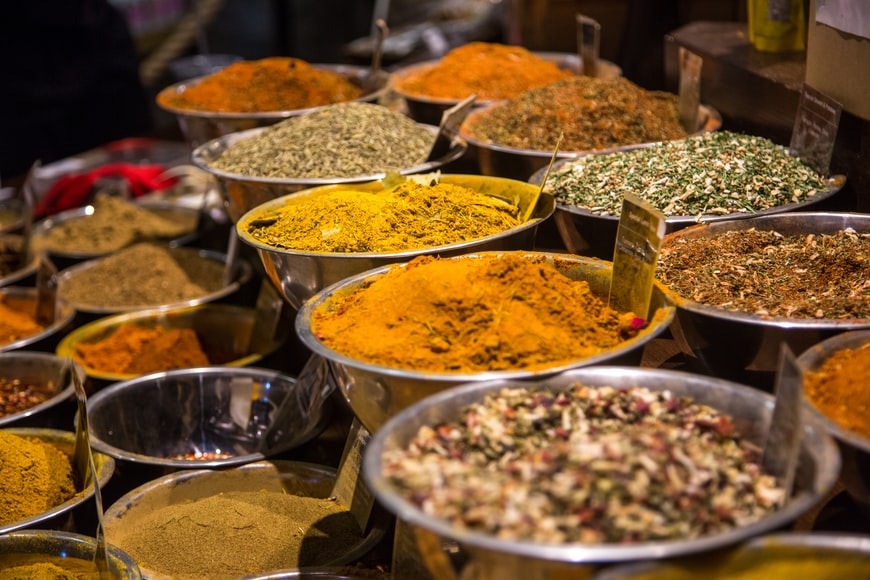
In simple words you can say that natural color is what you obtain from the natural things that have the ability that it can be used as a food color like vegetables, seeds, algae etc. Use of natural color is completely safe. Some examples of natural food color are carotenoids, chlorophyll, anthocyanin, and turmeric.
We have various natural food color that are very beneficial for the health to check our products click Here.
Advantages using natural color in food
- Although not all natural Colors have been tested for health safety, but mostly are regarded safe and healthy to use in the long run.
- Because of the extensive research and development that has gone into identifying alternatives to artificial colour additives, Natural colour has a startling number of colours to select from. Purple sweet potato extract is currently being studied as a new source of natural colour.
- The pigment in potatoes is difficult to extract and expensive at the moment; however, researcher Stephen Talcott is dedicated to discovering the best ways to obtain that colour quickly and inexpensively.
- Color stability, intense colours, and a broad colour range comes in the advantages of natural food color.
- One of the best things about natural food color is that it makes the food looks so attractive so customers get fascinated just because of its beautiful colors.
If
we talk about artificial colors so it has various side effects which
are very bad for health refrain from using artificial colors some
side effects of artificial colors are
- ADHD
is a type of hyperactivity.
- Irritability
and depression
- Asthma
and hives.
- Tumor
development
Please avoid artificial colors to use in a long run
Disadvantages of using Natural Food Color
- Because natural food colorings are produce from real food, they may have a distinct flavour that affects the product’s taste. When expose to high temperatures, they are also not guarantee to preserve their original hue.
- Furthermore, because it is create from natural products, it may trigger an adverse reaction in those who are allergic to the product from which it is made. Natural food colorings are more expensive than Artificial food colorings.
- FDA approved most of the natural food colors because it’s very easy & safe to use.
- Natural food colouring is safe to consume and can be use instead of artificial food colouring to reduce the amount of processed food consumed. Carotenoids, chlorophyll, anthocyanin, and turmeric people using from decades.
To Check & order natural food colors visit Natural colors.
by admin | Jan 17, 2022 | Blog
Sodium Copper Chlorophyll
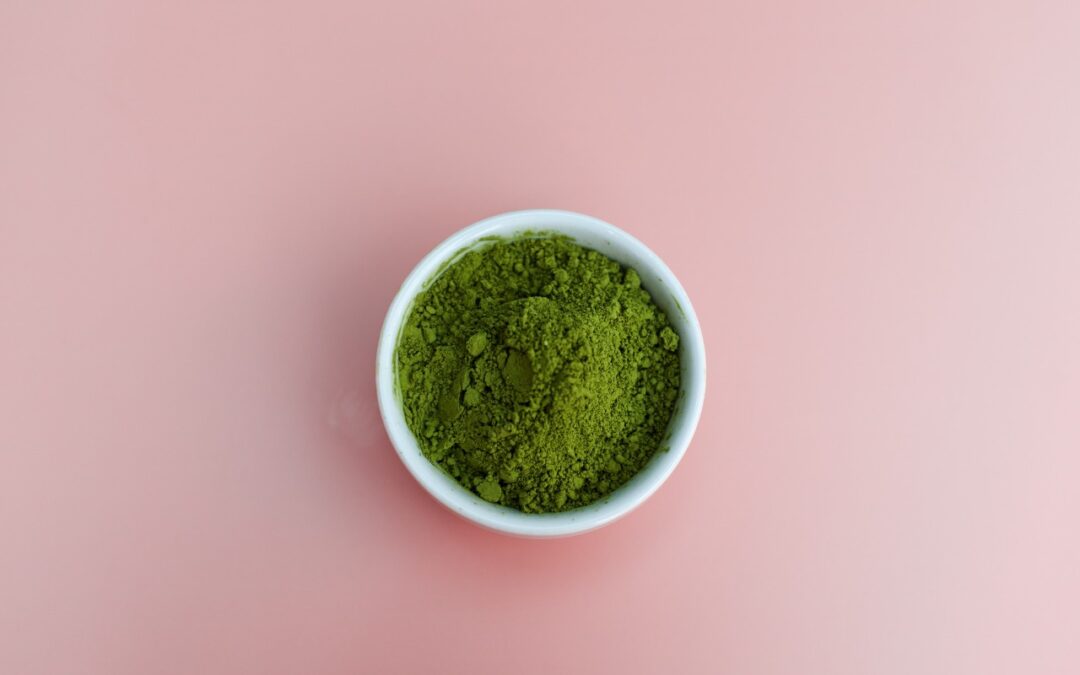
It is used as food colorant & supplement.
Its color is dark green talking about its properties so it has antimutagenic and antioxidant properties.
Talking about how it’s gotten prepared so it obtains from natural chlorophyll.
This product we are offering comes in powder, liquid & oil soluble form
Applications
Mostly uses in the dry beverages’ mixes, ice creams & confectionery as well.
- Assists in the body’s natural blood-cleansing processes.
- Protects and builds healthy cells promotes circulatory, intestinal, digestive, and immunological health.
- Promotes a healthy pH balance in the body.
- Deodorizes the entire body, including the intestines.
- Free of Parabens.
Antioxidant
Sodium copper chlorophyll has antioxidant properties.
Chlorophyllin has antioxidant properties, and it may neutralise a variety of physically relevant oxidants in vitro.
Some evidence with the help of animals research says that using copper chlorophyllin may reduce oxidative damage caused by chemical carcinogens and radiation.
Skin Healing
Its proven helpful in reducing the inflammation of the skin.
Internal deodrant
It is very use full & effective when its comes to eliminating the digestive tract odors which is because of the incontinence, colostomy, ileostomy.
Improves Kidney Function
Sodium copper chlorophyll normalize the urine parameters which results in improving the kidneys funtion.
Cancer, Skin, Weight Management
Chlorophyll supplement companies say that it can enhance red blood cells, aid weight reduction, mend damaged skin, reduce inflammation, and prevent cancer.
Although the list is impressive, few of the claims are support by scientific data.
"There’s some indication that chlorophyll skin treatments could potentially fight acne," Wohlford adds, "and there’s been very, very minimal evidence about weight loss."
"Aside from that, we know it’s made up of antioxidants and comes from plants." That’s about the limit of what we can confirm securely."
Dosage
Over taking anything is bad for you. Copper,
which is found in chlorophyllin, can have major side effects if taken in large levels for a sustain length of time.
When used on the skin, . It could make your skin more sun-sensitive.
The FDA is changing some food color standards to allow for the safe use of sodium copper chlorophyllin as a colour additive
In citrus-based dry beverage mixes as reported it is safe to use with no extreme bad side effect.
In response to a petition submitted by Kraft Foods, Inc., this action has been taken.
To send us inquiry please click on Inquiry
To explore more products click Products.



Recent Comments