
by admin | May 22, 2021 | Blog
Did you know that natural food
colors were discovered and used eons ago? On the other hand, synthetic food
colors were discovered during the industrial evolution period (well known by
history enthusiasts per say.)
For several years, synthetic
food colors were preferred because of several reasons. Users preferred synthetic
food colors because:
- They were easy to use (most synthetic food colors have leaflets that instruct users on how to use them.)
- According to Prepared Foods, synthetic food colors deliver bright hues in a variety of foods and baked products
- They do not require preparation by users since they can readily be acquired at your nearest grocery store or food market.
Some people prefer Synthetic to Natural food colors because
Natural food colors are often expensive in terms of cost-per-use, compared to synthetic colors.
For example, in order for you to obtain at least 500ml of natural food color from beets, you would need to purchase and prepare up to 15 beets.
Fun fact: 1 beet yields
up to two and a half table spoons (40ml) of beet juice.
This other factor is often
experienced by chefs particularly those that prepare baked goods. It is
difficult to obtain a particular shade from natural food colors.
For example, until recently, food color enthusiasts didn’t have a way of obtaining specific shades of blue. They often used synthetic food colors.
However, after the discovery of gardenia blue colorant, it became quite possible to obtain different shades of blue. Their application became widely used in beverages, jams and confectioneries too.
One of the most overlooked
reasons is stability and shelf life. Here’s an example, beet red color delivers
one of the most appealing red hues and very much pH stable. However, when applied
to water-based foods and subjected to too much heat, it rapidly degrades and
color degradation may be observed.
Also, natural food colors may “go
bad” especially when preserved wrongly. This should also be a serious concern
for natural food color enthusiasts.
Natural Food colors are quite as important and cannot be underestimated
Food colors can be deemed natural if they are generally vegetal, microbiological, animal or mineral extracted. This basically means that they are strongly packed with minerals, and vitamins essential for human health.
A 2009 study by the European Food Safety Authority (EFSA) prompted the reduction of ADI (acceptable daily intake) of synthetic food colors due to their long-term effects after consumption. This later triggered the hunt for natural alternatives that proved to be essential natural-nutrient-supplements.
Consequently, in 2013, an industry report showed that “natural color sales overtook artificial color sales for the first time ever.”
This paradigm
shift was because of the tremendous benefits of natural food colors to
human health. These natural food color health benefits include:
- Increase in athletic performance
- Improved body weight
- Some natural food colors such as beet red E162 are the first line of defense against anemia
- Some natural food colors help prevent cancer metastasis
- Help lower blood pressure
- A few natural colors also help regress dementia among the elderly.
In conclusion
Use and application of either natural or synthetic food colors entirely depends on preference and efficacy. However, despite what colorant you might opt to use, it is important to put into consideration the factors that we have mentioned above.
What food colors do you use? Natural or synthetic food colors? Please share in the comments below and I’ll be sure to reply to each and every one of them; I might feature some of the most enthusiastic in my next article too. Happy coloring!
by admin | May 16, 2021 | beet red color, Blog
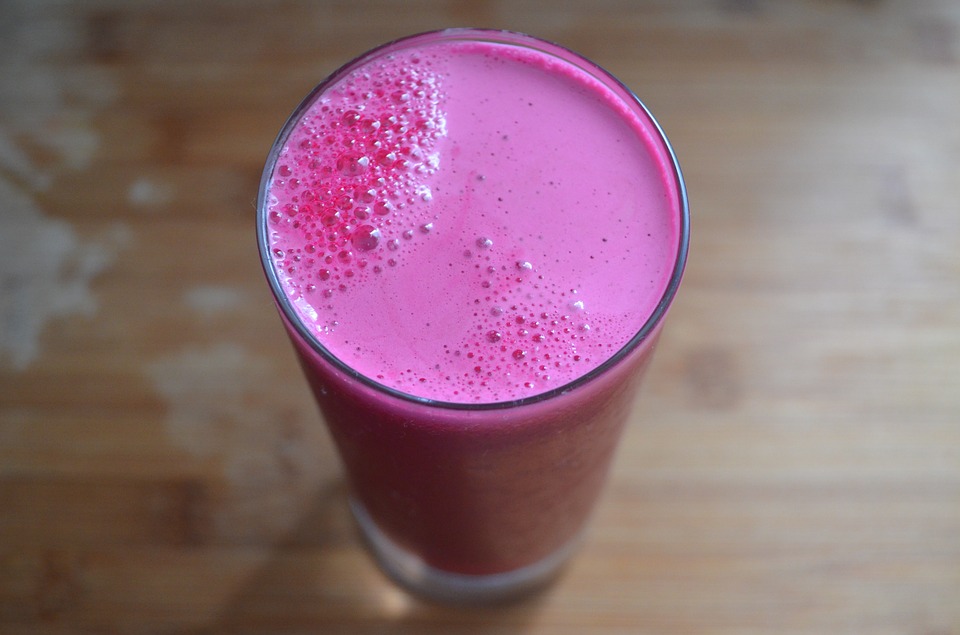
Just like all other fruit and vegetable juices, beetroot juice offers tremendous health benefits. It contains minerals, antioxidants, essential vitamins and compounds called betalains that help boost the immune system.
Ever seen those red-colored
candies, ice creams, salad dressings, gelatin deserts, cake mixes or yoghurt? The red hue is often obtained from added beet
juice. This makes beets quite an important ingredient in the culinary arts if
you want to obtain that specific magenta or beet
red color.
Beetroot Juice May Benefit Your Health in Several Ways
Maintains A Healthy Body Weight and Improves Athletic Performance
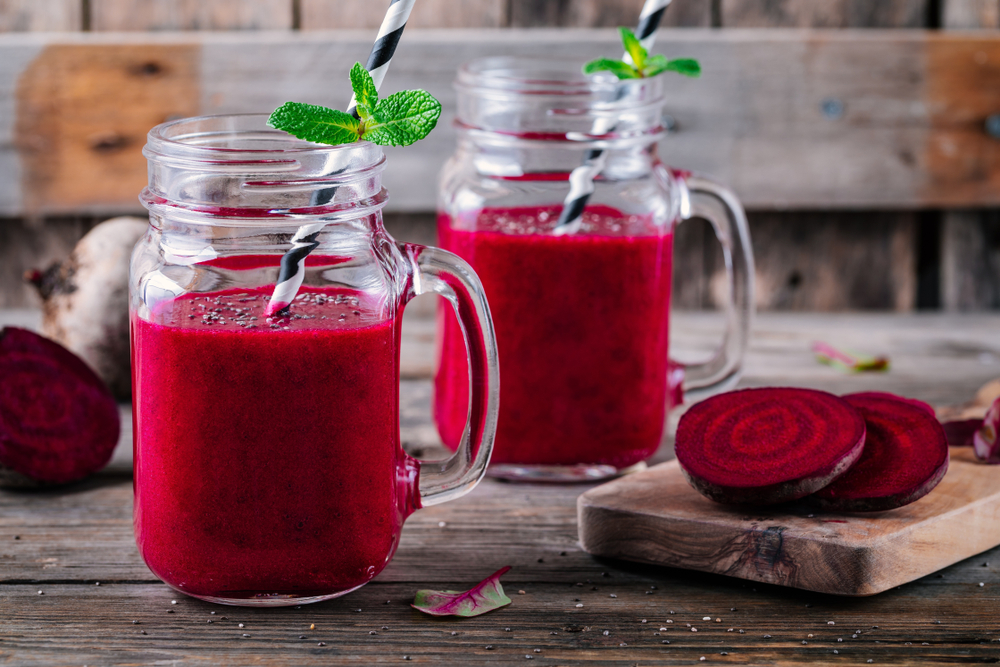
Adding beets to your morning smoothie can go a long way in maintaining a healthy weight. This is because beet juice has virtually zero fats and is very low in calories. As we mentioned earlier, beets contain compounds (nitrates and betalains) that may increase athletic performance.
According to a PMC review on
the effects of beet juice supplementation, nitrates contained in beets help by increasing
blood flow and oxygen to muscles, therefore boosting a person’s athletic
performance.
Helps Prevent Kidney and Liver Problems
Most kidney and liver problems
arise as a result of having too many toxins in the body that need to be eliminated.
Beetroot juice contains Vitamins A, B-6, iron and antioxidants that play a big
role in preventing liver inflammation and enhancing the organs’ ability to
remove toxins from the body.
First Line of Defense Against Anemia
Anemia
is one of the most common blood disorders. It occurs when the number of Red
Blood Cells (RBC) circulating the body significantly decreases. Sometimes
anemia is caused by other underlying health issues but here are a few main symptoms
to watch out for:
- Fatigue (this is the most common symptom)
- Fast or irregular heartbeat
- Light headedness
- Headaches
- Shortness of breath at times
RBCs contain 70 percent of the
body’s iron reserve. This means that RBCs require constant supply of this
nutrient factor. Beetroot juice is rich in iron and can be an excellent supplement!
Beetroot Juice Lowers Blood Pressure
A 2014
study found that nitrates, a compound found in beets, readily converts to
nitric oxide in the body and plays a huge role in widening and relaxation of
blood vessels. This greatly helps prevent hypertension.
Researchers recommended at least 300 ml or about 9 ounces of
beet juice every morning because this goes a long way in reducing both systolic
and diastolic blood pressure.
Beetroot Juice May Help Regress Dementia
According to a recent research by
PMC, beets contain nitrates that help increase blood flow in the body.
Researchers administered high-nitrate diet that included beetroot juice to
participants between ages 70 to 85 and periodically recorded their brain MRIs.
The research proved that increased blood flow to the brain’s
frontal lobes improved cognitive thinking and behavior. However, more research is
needed, but a high nitrate diet can help regress dementia. Try beets!
In Conclusion
The health benefits of beetroot juice cannot be understated. It offers several other significant benefits such as lowering cholesterol levels, a good source of folate, and also helps minimize cancer metastasis. Consider adding beetroot juice to your daily diet today!
by admin | May 16, 2021 | beet red color, Blog
When you search “beet red color” or beet E162 on your favorite search engine, you get to see multiple advantages and disadvantages of using this food additive. For a fact, there are synthetic dyes that try to mimic this natural food color.
Red 40 for example, is entirely
artificial and delivers the desired red hue quite the same as E162 beet red. However,
Red 40 mainly consists of chemicals and has zero nutritional value to human
health. This makes E162 one of the most nutritive food colors and best
preferred natural food coloring ingredient.
If You’re a DIY Kinda Person, Here’s How to Make Beet E162
In case you’re wondering how to
make this vibrant natural food color, there are multiple ways you can obtain this
red pigment.
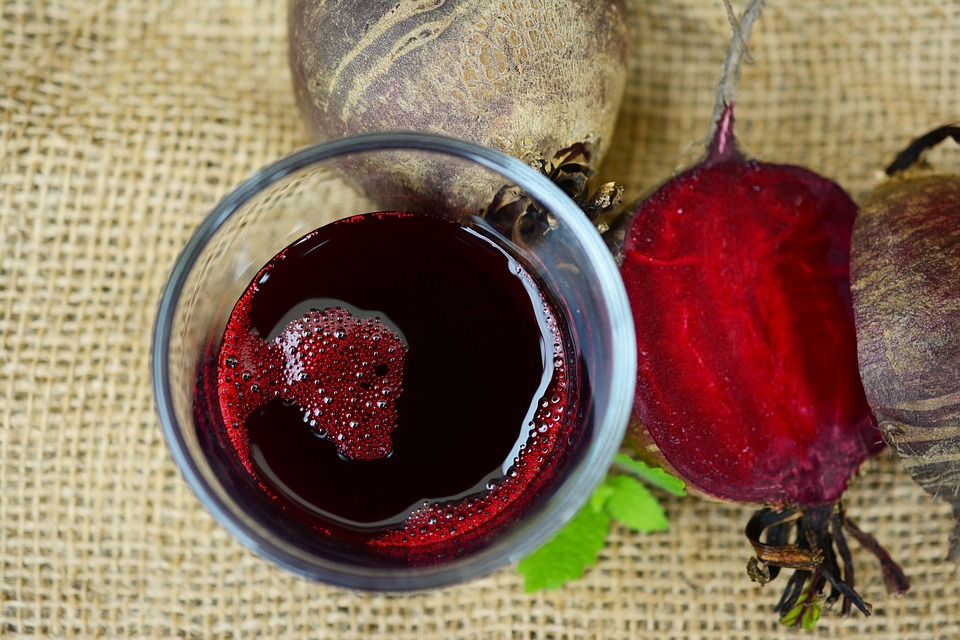
Blend beets to obtain raw beet E162
Chop a few beets and blend them
using a juicer or a blender. Beet juice extracted from a blender is always
viscous, therefore it is important to remember that more water helps with
consistency.
Also, you might want to
consider the number of beets used to make this juice because too many beets make
the flavor more prevalent and it might upset your pallet. You might also
consider making
beet syrup if you’re looking for a sweeter option.
Make beet puree
Pureeing is the art of crushing
vegetables or fruits into a thick smooth sauce that can be added in baked
products or other culinary purposes. You can also make beet E162 by boiling,
crushing, and sieving them to obtain a smooth extract better than juice.
One of the main advantages of
using beet puree instead of beet juice is that, beet puree offers slightly more
calories, minerals and essential vitamins compared to beet juice. Also, this
specific puree provides antioxidants that effectively boost the immune system
and prevents excess cell damage in the body.
To make beet E162 puree, boil
the desired beets (with skin) until tender. When ready, remove beets from pan
and remove the skins. Since the skins are edible, you might consider adding
them to salads because of their tremendous cardiovascular health benefits.
Blend the peeled beets and add
water or milk until you obtain the desired consistency. If the beet puree has
lumps or big vegetable chunks, strain or sieve them for a more consistent food
dye.
Boil beets in water
Boiled beets also release
color. When you buy beets from your local grocery store, just make sure to
thoroughly wash them and remove all dirt. Dice or cut the beet in chunks and
boil them in a covered pot.
Let the beets simmer until
tender or until there’s just a few spoon-full of water left. This water is your
beet juice and can be used as food color. However, remember that beet water is more
dilute and waterier than beet puree and raw beet juice.
You can use the boiled beets to
make squash or fruit punches, best served chilled!
Always Remember That
Consuming too much beet 162 can make urine or poo have a red, pink or magenta pigment. However, this shouldn’t shock you because according to Harvard Health Online, beeturia () doesn’t indicate serious health problems.
Do you have other methods you use to obtain beet red food color? Let me know in the comments below and I’ll be sure to feature your comments in my next article!
by admin | Apr 30, 2021 | beet red color, Blog
Beets are always the solution to attaining a beet red or magenta hue especially when making those sweet little velvet cupcakes. And one of the main reasons why most bakers (and chefs alike) use beet red food color is because beets are natural, healthy, and beneficial to use.
If you are a member of the DIY bandwagon and would love to
try making
beet red food color at home, the process is very easy. Boil beets in a
saucepan over medium heat until you notice color-changes in the boiling water.
Cover and let it simmer under low heat until only a couple
of tablespoons of water remain. There you have it! Reserve this juice because
it is your food color.
Sometimes using powdered beet red food color especially in
baked products is really important because it attains just the right and
desired shade, not too much and not too little. Each package has directions for
use indicating the exact amount you should add depending on what you intend to
prepare. You can easily buy beet red food color (in powder form) at your local
grocery store.
But Why Does Beet Red Turn Urine Color
According to CBC,
approximately 10 to 14 percent of people are affected by beet red. Beets
contain a compound, betanin, that gives the vegetable a red hue. Well unfortunately,
not everyone can fully digest betanin.
In this case, betanin is flushed out of the system, therefore
turning urine, or poop red. However, you shouldn’t feel alarmed when you
observe this change in color.
It is not entirely clear what happens to betanin in the
body, because only limited research has been done about it. According to Medical
News Today, the beet red color is normally broken down in the stomach and
colon and this process causes an increase in oxalic acid levels.
When oxalic acid levels are too high red poop is usually
observed in people who do not experience beeturia.
Another research
from the University of Urbino indicates that betanin plays a great role in
“slowing down” colon-cancer metastasis. They also mention that “when oxalic
acid is too much in the system, it greatly increases the
chances of kidney stones”.
The
Globe and Mail also notes that you can use this beet red color phenomenon
to know how long your digestive system takes to get rid of wastes from your
body. But you also might notice a crimson blue or light pink color from wastes
produced, not always red.
Beet Color is Mostly Harmless
Don’t be shocked when you notice changes in color after
having a nice plate of salad with beet leaves. According to research done by Harvard
Health Online, beeturia doesn’t indicate serious health problems. Eating
berries too can change the color of urine.
Fruits such as rhubarb can also turn urine pink or red. Rhubarb
can also turn turn urine or poop to a specific tint of dark brown. But
obviously this color change varies from one person to another.
Interestingly, eating foods rich in vitamin C can also,
although rarely, turn urine orange. Some research also indicate that too much
Vitamin B turns urine orange-green.
by admin | Apr 26, 2021 | Bamboo Charcoal, Blog
There has been quite a lot of fuss going around about E153. Several blogs online contain information that E153, commonly known as carbon black, is harmful to one’s health.
The only reason given is that “it contains toxins”. This article will help alleviate fears and misconceptions about carbon black and state a few DIY delicacies that you really have to try.
If you’d run a simple search like carbon black ice cream on your favorite search engine, you’ll notice images and a lot of web content about black hued foods.
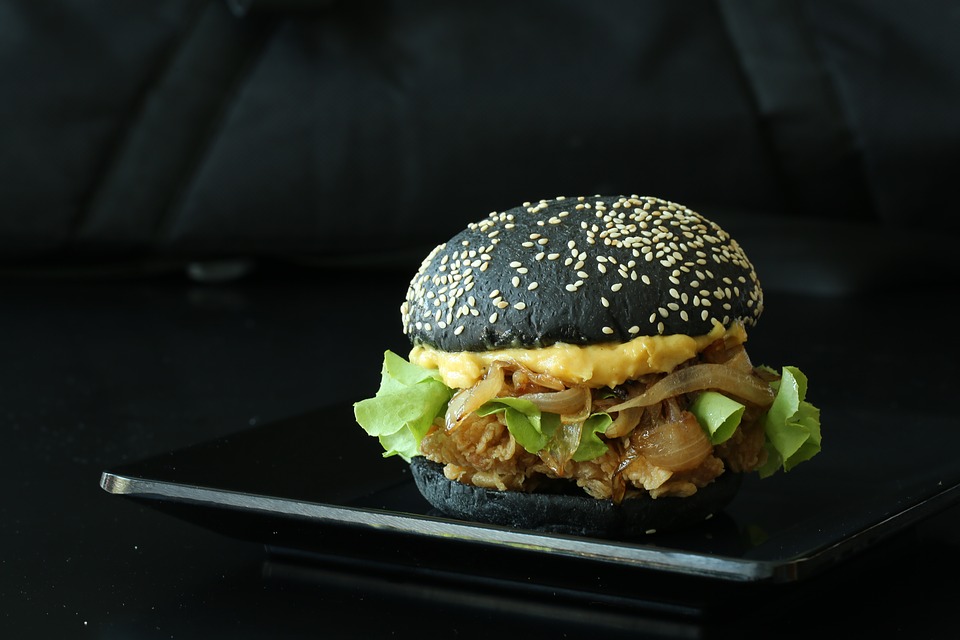
These foods and deserts often contain E153 as the main ingredient. This additive is what gives food a black pigment.
Is E153 (Carbon black) healthy?
When vegetables are severely burnt, it is possible to
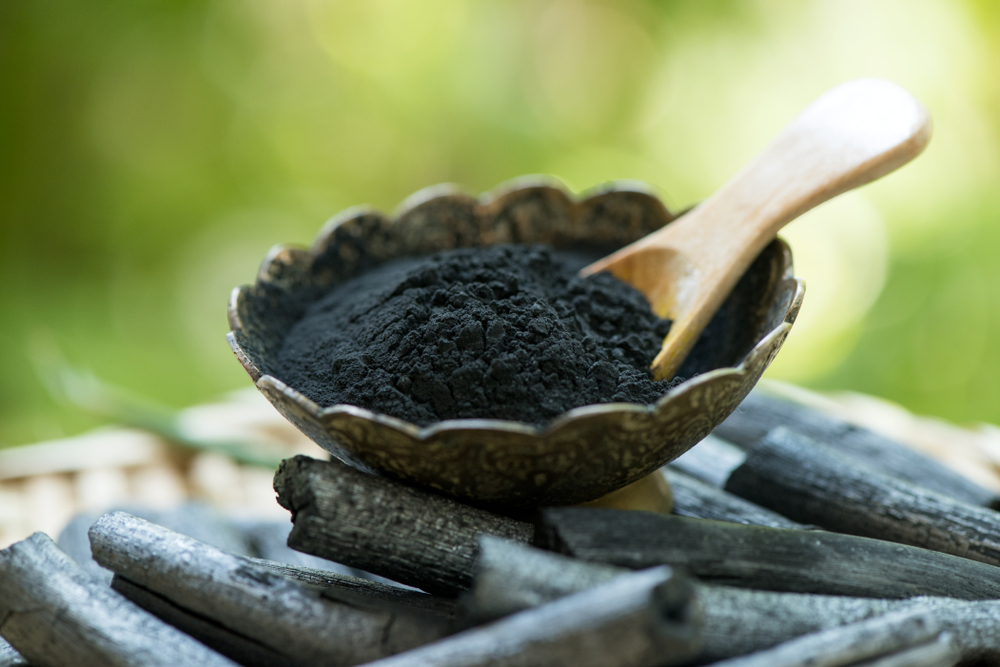
obtain E153, or rather, carbon black. Also, carbon black is obtained from charcoal.
This essentially means that carbon black is naturally vegan and can be consumed
without worrying about health implications.
A study done by the European Food Safety Authority (EFSA) mentions that foods containing up to 1.0 µg/kg of E153 are not of safety concern.
This
proves that not only is E153 carbon black a safe additive, it also has tremendous
health benefits.
Carbon black is greatly becoming a key
ingredient
Fox News’ Molly Dodd shares her experience taking carbon juice during her detox program. In preparation, she cut out alcohol, stuck to her regular diet and exercise routine.
She
later mentions that she lost a total of 1.5 lbs., her skin got softer,
breakouts cleared up, and noticed a significant increase in energy levels.
Terrasoul Superfoods, is one of the several companies that sell charcoal lemonades online. Terrasoul mentions that the carbon elixir helps in “cleansing and assisting the healing process of the body, helping hangovers, helping with intestinal issues like food poisoning and gases, and also makes you feel sharp and focused”
Black bread accompanied by a nice glass of carbon
juice can be quite a treat. In countries such as Russia, borodinksy is a common
bread made from dark rye flour, molasses and a tiny addition of cocoa powder.
This black bread is known to have high fiber content
therefore minimizing the risk of heart diseases, several types of cancer and
type two diabetes.
NHS Eatwell Guide mentions that this type of bread contains essential minerals and nutrients such as calcium, potassium and Vitamin E.
It is important to remember
Despite the fact that dark hued foods might be aesthetically pleasing, it is important to remember that too much carbon-black in food can be dangerous.
Your bowel might have a hard time absorbing nutrient from ingested foods or block medications from working. This is due to carbon’s strong binding properties.
Always remember to consult a medical professional if
you decide to incorporate carbon-black in your health regimen.
by admin | Apr 26, 2021 | Blog
Vegetable carbon is black. It is certainly becoming the new hot flavor from cocktails to mash and meat. Black carbon color is emerging in food pop-ups and restaurants as well. It contains an earthly, slightly smoky taste and a dark coloring.
Black carbon color gives a premium feel to foods and a real talking point, according to Jonathan Moore, an executive chef in Waitrose. Carbon food color can be bought online, or at any food store as well.
However, remember not to eat too much carbon because even though it removes toxins, it also removes a few nutrients.
Benefits of Using Black Carbon Color
Most commercial black carbon additives are made from bamboo. Black carbon often have an earthy, smoky taste, and a black coloring, so it offers an exotic fashionable appearance to food.
Black carbon color contains tremendous health benefits, therefore it is recommended for persons with vertigo and anthrax conditions.
Due to the ability to absorb toxins, vegetable carbon works best as a detoxifier by absorbing chemicals, binding toxins, and essential nutrients like vitamins. This is also because of its negative charge that has the capability of binding positively charged ions from chemical elements.
Vegetable carbon also adds flavor, texture, color, and a touch of playfulness to plates, drinks and food.
Vegetable carbon does not taste. However, it has a pleasant granular texture, which gives a feeling of chewing while gulping it down.
What Experts Say
According to
the European Commission and the FDA, “vegetable carbon helps reduce excessive
postprandial flatulence”. The relieving benefits of vegetable carbon are
however recommended by multiple practitioners.
Food-grade
vegetable carbon is modified, which provides a surface area maximized to make
it more porous. However, it is recommended to consume 1gram dosages at least
half an hour before meals or shortly after every meal.
Also, carbon black can be produced by incomplete combustion of petroleum products such as coal tar, ethylene cracking tar and catalytic cracking tar.
The carbon powder obtained from this process is then used to make cosmetic products such as makeups, eyeliners and mascaras.
However, this specific carbon black is not approved for consumption.
In
Conclusion
Multiple regulatory bodies, nonetheless, have approved the use of vegetable carbon as an additive in our diet. These regulatory approvals include JECFA (No ADI allocated, 31st meeting 1987), and EU (No ADI allocated, EFSA 2012) where “specific food categories including vegetable carbon is authorized for use at quantum satis and have been defined in Directive 94/36/EC on colours for use in foodstuff.

Recent Comments