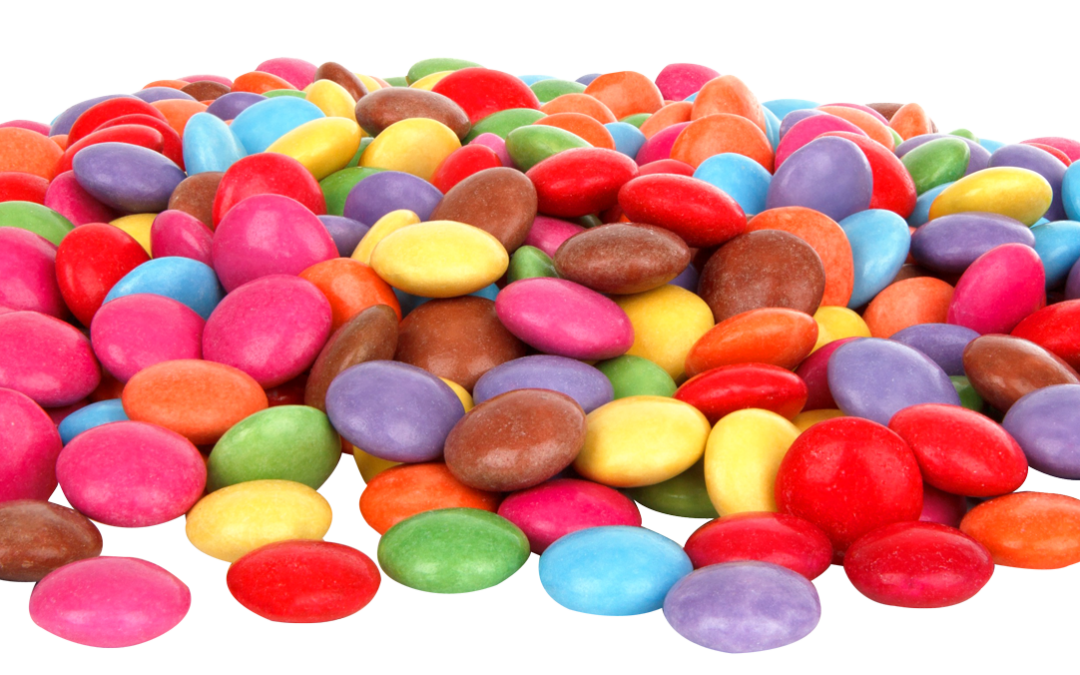
A lot of sources such as vegetables, fruits, plants, minerals, and other natural sources are the best in order to extract natural food colors but these are edible. They add color to food.
Natural Food Sources for Obtaining Natural Colors
Foods and other edible natural food sources are the best to get natural food colors. These are also perfect to obtain by physical or chemical extraction of the pigments from relative foods. As far as their forms are concerned, they are present in many forms like liquids, powders or gels and pastes. So, it is perfect to use at commercial and domestic stages for cooking purposes. However, food color is actually a dye or we can say that it is an additive or pigment that imparts color to the food or drink.
Usage of Food Colors in Non-food Applicants
There are different non-food applicants. And these are cosmetics, pharmaceuticals and medical devices. Certain colors get aligned with certain flavors. Sometimes, it is aimed to stimulate a color that can be perceived by the consumer as a natural color. Color additives are also used for a number of reasons. Find the reasons below
To make the food attractive, alluring, mesmerizing, and appetizing
Correct natural variations in color
Enhance colors that occur naturally
Provide color to colorless and “fun” foods
Allow consumers to identify products on sight, like candy flavors or medicine dosages
Carotenoids, chlorophyllin consists of four main classes of plant pigments which grow to color the food products. Other pigments that give colors or specialized derivatives of these core groups include:
Annatto, a
reddish-orange dye made from the seed of the achiote
Caramel coloring, made
from caramelized sugar
Carmine, a red dye
derived from the cochineal insect
Elderberry juice
(E163)
Lycopene (E160d)
Paprika (E160c)
Turmeric /Curcumin
(E100)
As we know that blue colors are rare. One of the blue dyes gets prepared from spirulina. According to some recent research, associating anthocyanins explored in combination with other phenolics and aluminum ions to create blue colors.
Natural Food- Safer to Eat
As far as some of the most common natural food colorings are concerned, they contain carotenoids, chlorophyll, anthocyanin, and turmeric. As far as the green and blue foods are concerned, they now have matcha, cyanobacteria, or spirulina for color.
For the purpose of making sure the reproducibility, the components of these substances which are coloring. These are providing in highly purified form. For stability and convenience, they can formulate in suitable carrier materials (solids and liquids). Hexane, acetone, and other solvents break down cell walls in the fruit and vegetables and allow for maximum extraction of the coloring. We also know the solvents as carry-over ingredients.
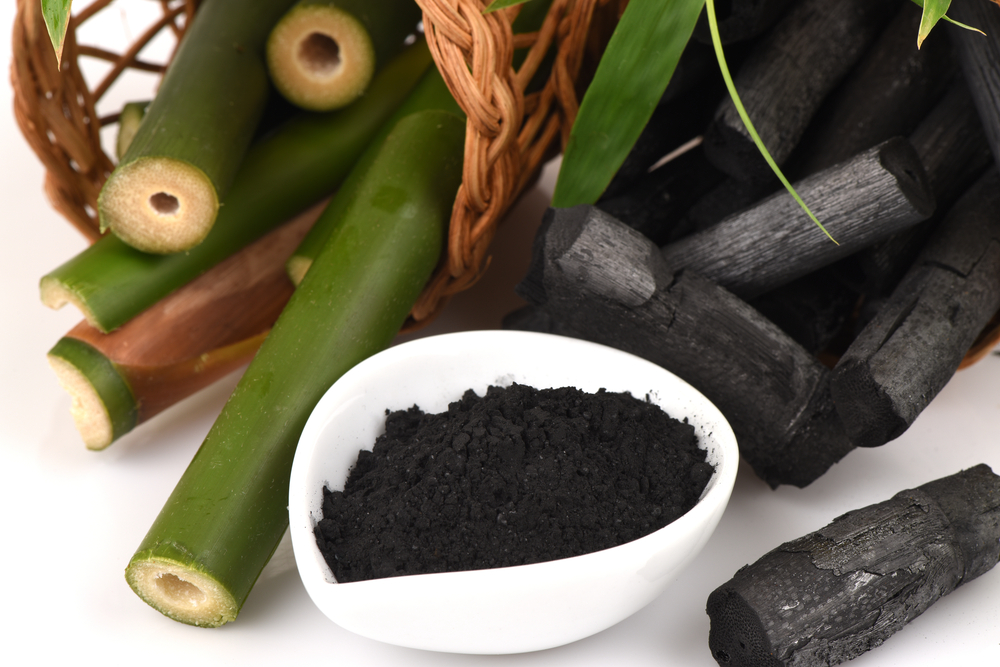
Have you seen pictures of dark-colored foods online? Ever wondered what gives them that tinted pigment? Bamboo charcoal is responsible for the dashy, unique looking pigments found in most foods including ice-creams and pizzas.
HD Image of bamboo charcoal
Activated charcoal is obtained by heating carbon-containing compounds (in this case bamboo) at extremely high temperatures in order to obtain charcoal. The charcoal is then oxidized for it to be “activated”.
Some of the uses of bamboo charcoal include:
Activated charcoal has been lurking around for a long time. It has multiple uses as well. The following are some of the uses of activated charcoal:
Used in drugs that help reduce bloating or flatulence
Widely used in filtration and water treatment systems
Is a newly adopted ingredient in making burgers, ice-creams, twirls, crackers, and biscuits
Major perks of using bamboo charcoal
1. Bamboo charcoal is a detoxifier
Urea is a byproduct of protein digestion. Activated charcoal binds and filters toxins derived from urea, therefore, easing kidney functions and minimizing complications.
These complications include gastrointestinal damage and inflammation, and chronic kidney diseases.
In a recent study, volunteers suffering from gastric gasses were administered 450mg of bamboo charcoal for 2 days before having ultrasounds done.
Examiners were able to see internal organs from more than 95% of the volunteers. This was because gastric gasses obscure the visibility of certain abdominal organs during ultrasounds. Also, more than 34% of volunteers reported having improved symptoms, in just 2 days!
However, the European Food Safety Authority (EFSA) mentions that there’s no particular dosage to reduce gastric gases, but advise at most 2g of charcoal between meals.
3. Used in water treatment systems
Water treatment plants make good use of activated charcoal for their filtration needs. Due to the binding properties found in activated charcoal, the molecules are able to absorb and filter out mold, bacteria, viruses, toxins, and drugs that may have found their way in the water.
4. Bamboo charcoal helps improve oral hygiene
Multiple oral drugs contain activated charcoal. One of the main reasons is because activated charcoal’s strong binding properties enable it to absorb and “hold on” to microbes and toxins – which essentially cause oral health degradation.
5. A key ingredient in making deodorants and gas masks
Most gas masks have activated charcoal installed in air nozzles to help absorb toxic gases and fumes. Since charcoal is harmless to the body, it is also used in most deodorants.
Charcoal strongly absorbs moisture and unpleasant odors at micro-levels, therefore, making it ideal for use under armpits, in refrigerators, shoes, and on skin infections.
In Conclusion
It is important to note that, despite the numerous benefits of consuming natural colors, you’re well-advised to avoid taking activated charcoal with medication.
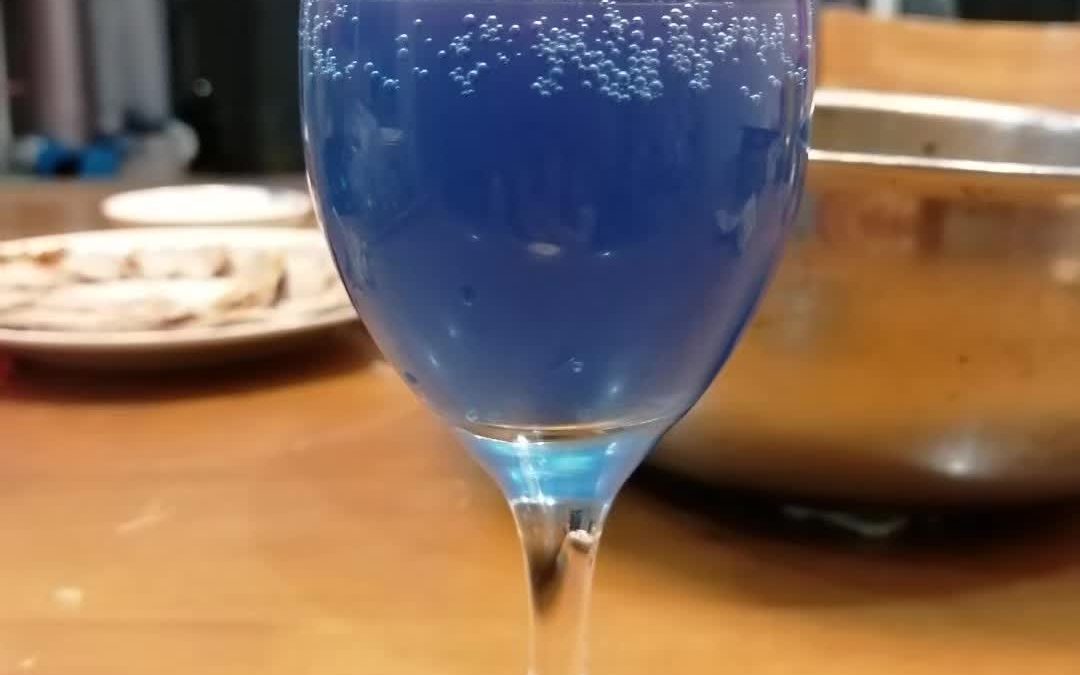
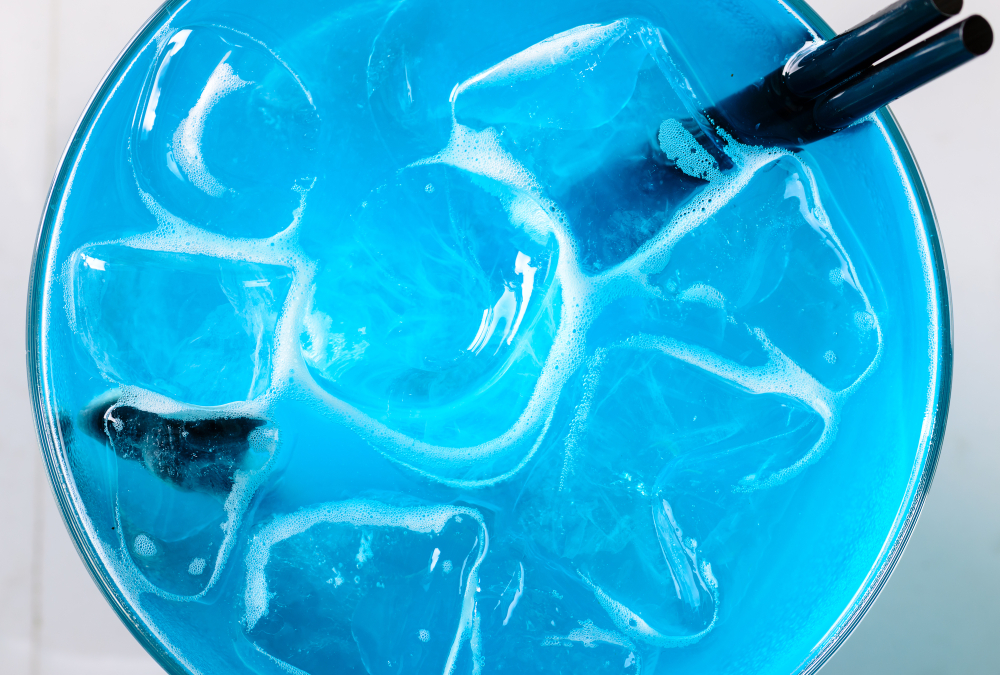
Phycocyanin is a key recipe in making blue colored drinks.
Initially, the addition of blue colorants relied on synthetic dyes, which often resulted in allergies or unfavorable taste.
Researchers from Newcastle University found a way of extracting phycocyanin from spirulina. This is by hitting the algae at a specific frequency of light.
The demand for phycocyanin is increasing and more individuals opting for a natural food colorant to artificial colorants.
However, the production of phycocyanin is very costly. The rare blue color is produced due to scattered light and not a pigmentation.
Plants come with a bundle of proteins known as phycocyanin, which is a chemical in nature. It absorbs the long wavelengths of red and orange light colors; splitting them to shorter blue wavelengths.
The phycocyanin pigment is soluble in water and non-toxic to humans, making it an ideal food colorant.
Phycocyanin is also utilized as an anti-inflammatory and antioxidant; it has undergone an exponential growth as a food colorant.
How to make blue colored drinks with phycocyanin
The first ingredient required is blue
spirulina, ensure that it’s 100% natural free from contamination and unpleasant
taste.
You’ll only need a tablespoon or less of
the powder to turn your drink to a blue hue.
Using blue spirulina is cheap as the powder
can be utilized on a daily.
However, if you’re using it on foods or beverages that are acidic, the color changes.
Simple Benefits of using phycocyanin
1. For energy and athletes
Phycocyanin comes with incredible benefits for athletes and boosting energy for individuals. This is all thanks to its connection with the erythropoietin (EPO), a hormone produced in the liver and kidney.
When cells contain a low level of oxygen, the body signals the production of EPO, which stimulates the production of red blood cells by the bone marrow stem cell.
Hence, more supply of oxygen throughout the body and the rise of mental and physical endurance.
2. Modulation of pain
Another benefit of phycocyanin is the modulation of pain, as it inhibits the cyclooxygenase-2 enzyme that causes inflammation.
This inhibiting occurs due to the production of prostaglandin E2 (PGE2).
According to one double-blind placebo-controlled human study, individuals using phycocyanin, have a significant reduction of chronic pain while resting and when active.
3. Potential treatment for different cancers
Phycocyanin is a potential treatment for different cancers affecting people according to the Journal of Cancer. This is due to phycocyanin ability in blocking the proliferation of cancer cells, and killing of cancer cells.
Phycocyanin also exerts anti-cancer activity by blocking tumor cell cycle, and induction of tumor cell autophagy and apoptosis.
In conclusion
Phycocyanin contains anti-inflammatory and antioxidant properties.
It has also seen exponential growth in its usage as a natural food colorant.
To produce more phycocyanin, researchers have placed the pigment under a diet of red light. This is at a precise spectrum, which forces the algae to maximize production. Thus, resulting in five times blue colorant output with the use of red light long-wavelength.
To make a blue drink, all that is needed is the addition of blue phycocyanin to the drink.
If the drink or food is acidic, it will need more of the blue colorant and change to turn to a desired blue color.
Phycocyanin is not only an ideal natural food colorant, but it also comes packed with a lot of health benefits that a user gets to enjoy.
What is phycocyanin? The real definition may still be a misery to the science community, as most of the definitions available seem to vary in composition and structure. However, it is correct to define it as a water-soluble light-harvesting, blue-green, pigment-binding pigment that exists in marine and freshwater habitats. Some of the species of blue-green algae that are sources of Phycocyanin include Anabaena and Platensis. Phycocyanin is however mostly known as a commercial blue colorant. Not only has the existence of phycocyanin positively affected pharmaceutical research but has also pioneered the cropping up of new ventures in pharmacy and primatology.
The Structure Of phycocyanin
This is yet another interesting part of phycocyanin. It has a similar resemblance to the structure of all phycobiliproteins. It commences with the creation of monomers, which are heterodimers created through the merging of and β subunits, along with their corresponding Chromophores interlinked via thioether bond. Sounds like rocket science? The monomers then aggregate automatically to form ring-shaped trimmers (αβ) 3, which co-exist in a ration symmetry, along with a central channel. The resulting trimmers then multiply hence forming hexamers (αβ) 6, which may take place as a result of a boost by additional linker proteins. Despite the close similarity of phycobiliproteins, phycocyanin may vary in the crystal structure, (though not very easy to detect). There exist different structures of phycocyanins and about 44 crystal structures and composition of phycocyanin were announced to exist in the Protein Data Bank.
The Health Benefits and Common Uses Of phycocyanin
Phycocyanin is the most dominant component in Spirulina and has been discovered to have a ton of benefits in health, Pharmacy and many other areas of interest. Here are some of the health benefits of Phycocyanin. Note that Phycocyanin and Spirulina may be used interchangeably in this Context since it contains the largest percentage in Spirulina’s chemical composition. Here are some health benefits of the natural compound, based on available evidence.
May Have Anti-Cancer Properties
It has been scientifically proven that phycocyanin may have anticancer properties. Research done on some animals indicated that Spirulina may directly or indirectly affect the occurrence of Cancer, mainly oral cancer (OSMF).
Phycocyanin has a High Nutrient Composition
This is one of the most interesting health benefits of the compound. It is known for its high concentration in minerals, proteins and minerals. Its main component ‘Spirulina’ was even suggested to be grown on Mars by NASA! Speaking of nutrients, It has a complete composition and a high content of amino acids that may be very crucial and accounts for 37.42% of the total amino acids composition.
It is mainly known as “most promising natural remedies that can inhibit Pro-Inflammatory COX-2 enzymes) these enzymes are main carriers of inflammation and pain since they attack the cartilages and the joints.
Anti-allergic (asthma, hay fever), immunomodulation
The natural compund is currently considered to be among the few natural compounds that can fight asthma. This makes it a very special compound. It also reduces the effects of allergic reactions by producing molecules that inhibit inflammation which may be an allergic trigger.
May Improve Muscle Strength and Endurance (Stimulation of EPO)
Studies have associated Spirulina with muscle increased strength endurance abilities on the human body.The compound comes from a marine environment, which means that it contains antioxidant properties, which can be leveraged by athletes and other people to minimize muscle fatigue that mainly occurs mainly due to ‘Exercise-Induced oxidative damage’.
May Be Effective Against Anemia
As discussed in the previous health benefit it may increase hemoglobin content in the red blood cells, hence reducing fatigue and boosting muscle strength. This may have a positive effect on anemia control as Anemia is mainly characterized by a reduced amount of hemoglobin your body.
Other Applications of Phycocyanin
Phycocyanin Powder is considered the goldmine of the food industry.
I have already discussed most of the phycocyanin applications since most of them are pharmaceutical/medicinal based. They can also be used in genetically applications as tracers, especially due to their natural fluorescence ability. They also become very useful when it comes to the food industry, especially as natural blue colorants. Phycocyanin Powderis FDA approved and can be used as a raw material in the creation of flavored beverages, candies, jellies, among other delicacies.
The Bottom-line of Phycocyanin Existence
It’s obviously evident that Phycocyanin has more to offer than we have managed to explore. Want to try this component? Realize the full potential of Phycocyanin, and how it may transform your area of operation.


 What is phycocyanin? The real definition may still be a misery to the science community, as most of the definitions available seem to vary in composition and structure. However, it is correct to define it as a water-soluble light-harvesting, blue-green, pigment-binding pigment that exists in marine and freshwater habitats. Some of the species of blue-green algae that are sources of Phycocyanin include Anabaena and Platensis. Phycocyanin is however mostly known as a commercial blue colorant. Not only has the existence of phycocyanin positively affected pharmaceutical research but has also pioneered the cropping up of new ventures in pharmacy and primatology.
Recent Comments